Galleries

Where does the water go when you empty your pool?

Do you put a hose from your pool to the street to empty your pool?


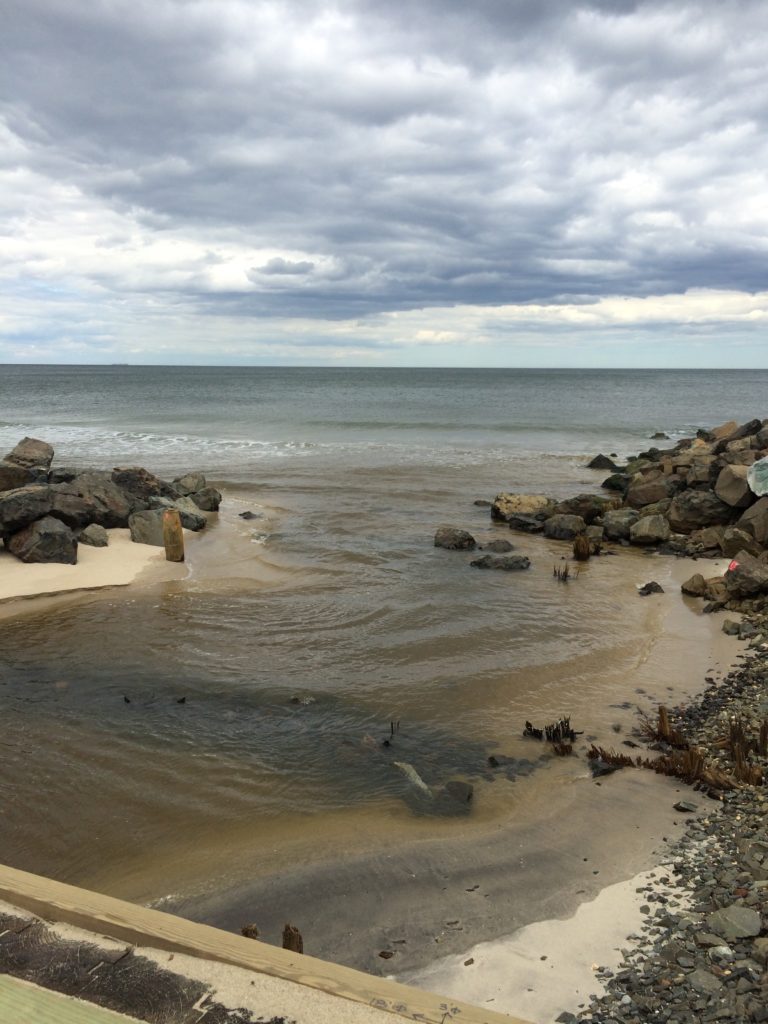
Do you know that the water goes into the street and down the storm drain.  Storm drains do NOT go to the sewer treatment plant. They lead to the nearest body of water, for instance Takanassee Lake.


So what can you do?

Swimming Pool Waste Water Fountains are designed to re-purpose properly balanced swimming pool waste water for irrigation.  They can be used with sand or cartridge filtration systems.  Their spray aerates waste water by sending it approximately six feet into the air.  The returning water falls back to the ground like rain typically covering 100 square feet where it can be absorbed into the soil and water the grass.

And what about the grass?  Chlorine levels are reduced through the process of aerating swimming pool water.

Waste Water Fountains also reduce the soil erosion normally caused by the forceful blast of a wastewater hose.

Construction is typically durable HDPE plastic.  Some models are light enough to carry around with your fingertips.  The ones made of HDPE are also recyclable.
You can also talk to someone from your Green Team and ask them to add an ordinance to your town Master Plan.

Here is a sample of a town ordinance in Monmouth County. Check your town’s stormwater ordinance and see what it says.

Per ordinance, it is unlawful to discard, spill or dump any material other than storm water into the municipal storm water system. Further, an illicit connection which is defined as any system that discharges domestic sewerage, swimming pool water, process wastewater or pollutants, is prohibited from discharging to the storm water system. Swimming pool water must be disposed of on the pool owner’s property.  Waste water fountains are a good option to reduce water consumption, recycle pool water onsite and minimize soil erosion. The purpose of this ordinance is pollution and contamination prevention.


Swimming Pool Waste Water Fountains are designed to re-purpose properly balanced swimming pool waste water for irrigation.  They can be used with sand or cartridge filtration systems.  Their spray aerates waste water by sending it approximately six feet into the air.  The returning water falls back to the ground like rain typically covering 100 square feet where it can be absorbed into the soil and water the grass.

And what about the grass?  Chlorine levels are reduced through the process of aerating swimming pool water.

Waste Water Fountains also reduce the soil erosion normally caused by the forceful blast of a wastewater hose.

Construction is typically durable HDPE plastic.  Some models are light enough to carry around with your fingertips.  The ones made of HDPE are also recyclable.


Summer 2019: A Garden’s Eastern Charm at Ross Lake Park

Ross Lake Park Garden Journal Entry

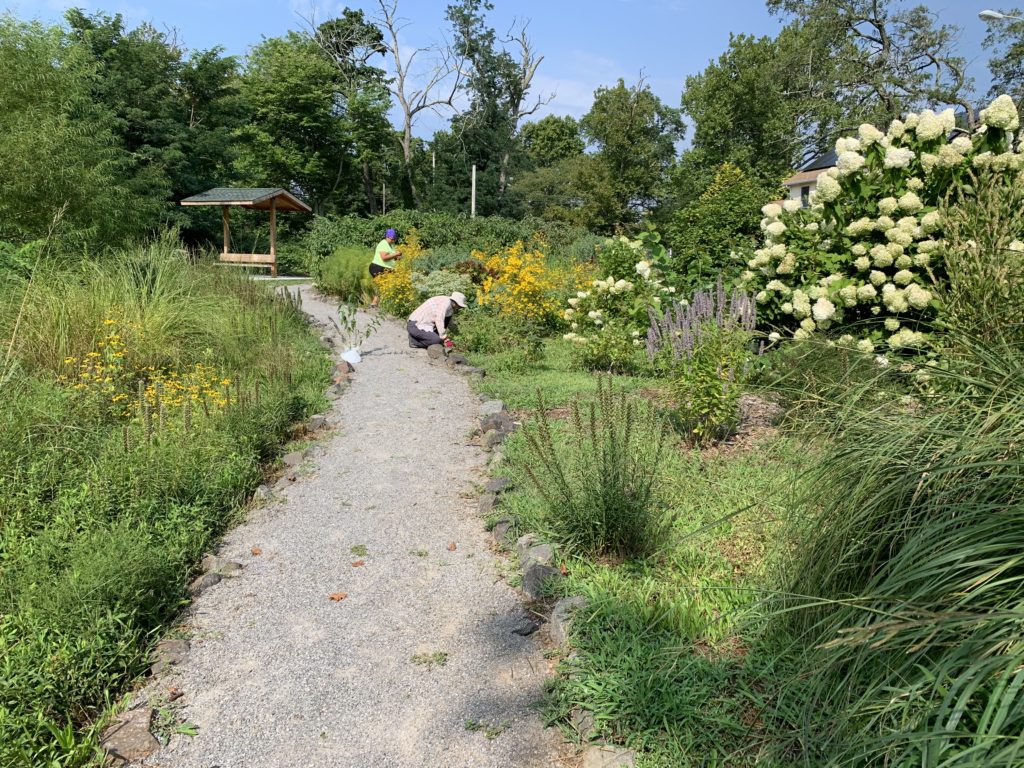
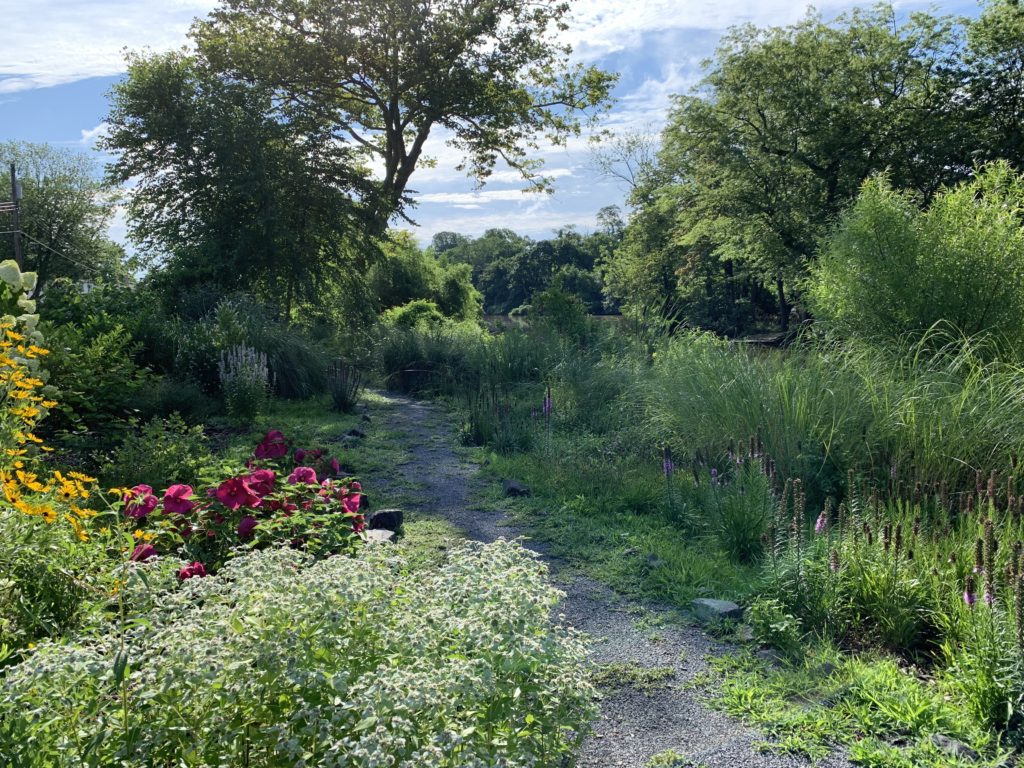
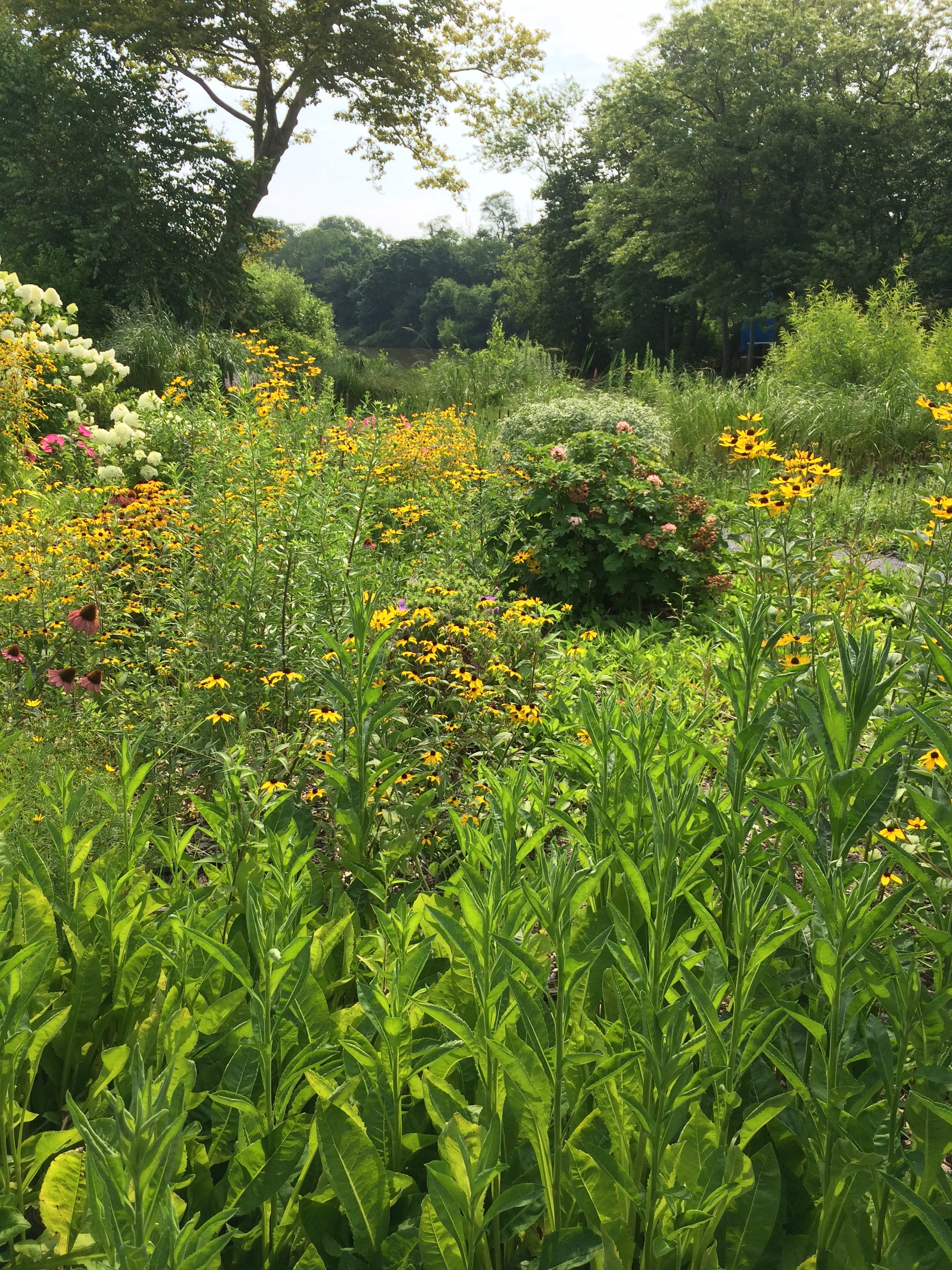
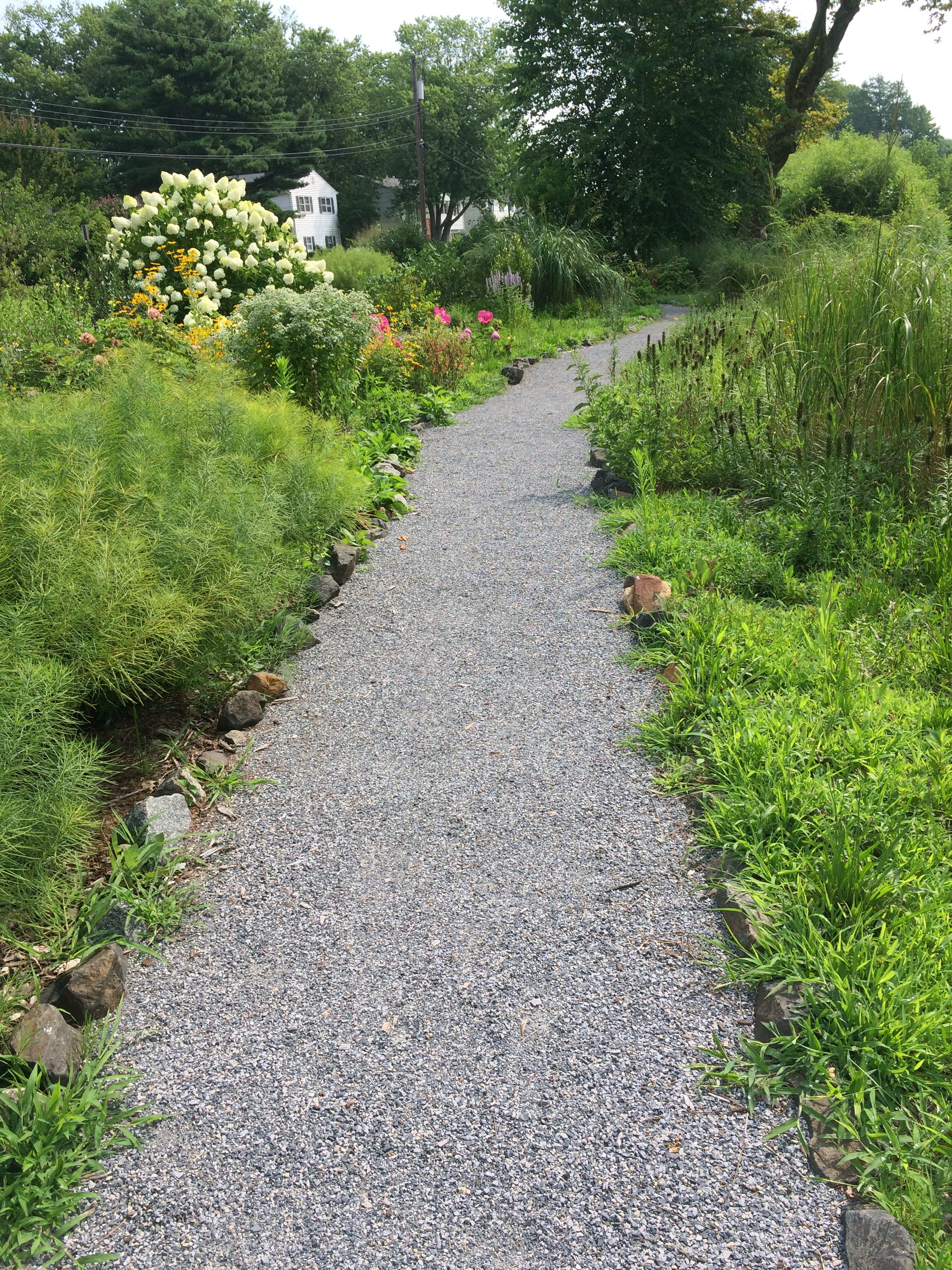
It is the summer of 2019, and the heat of summer is officially here at Ross Lake Park in Long Branch, New Jersey. The landscape is a snapshot of pure bliss, teeming with a remarkable array of plants and our tiny, tireless “garden friends.”

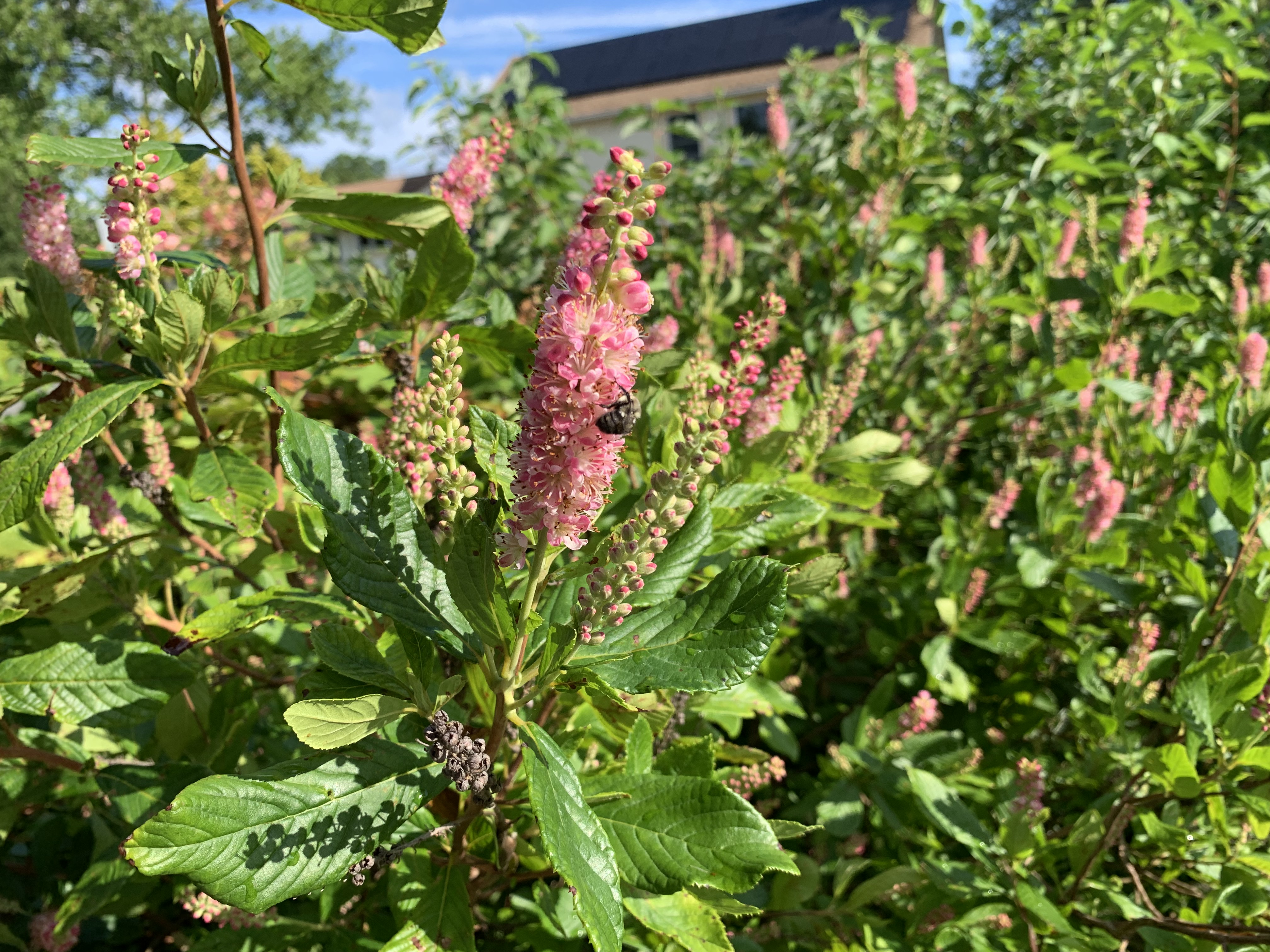
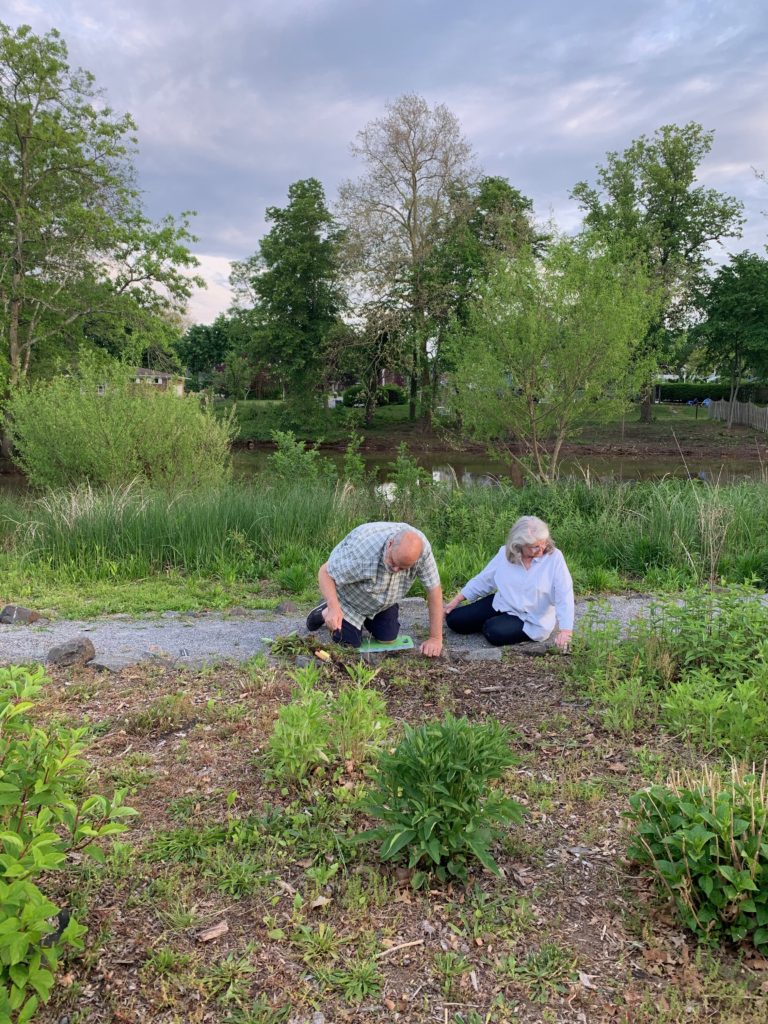
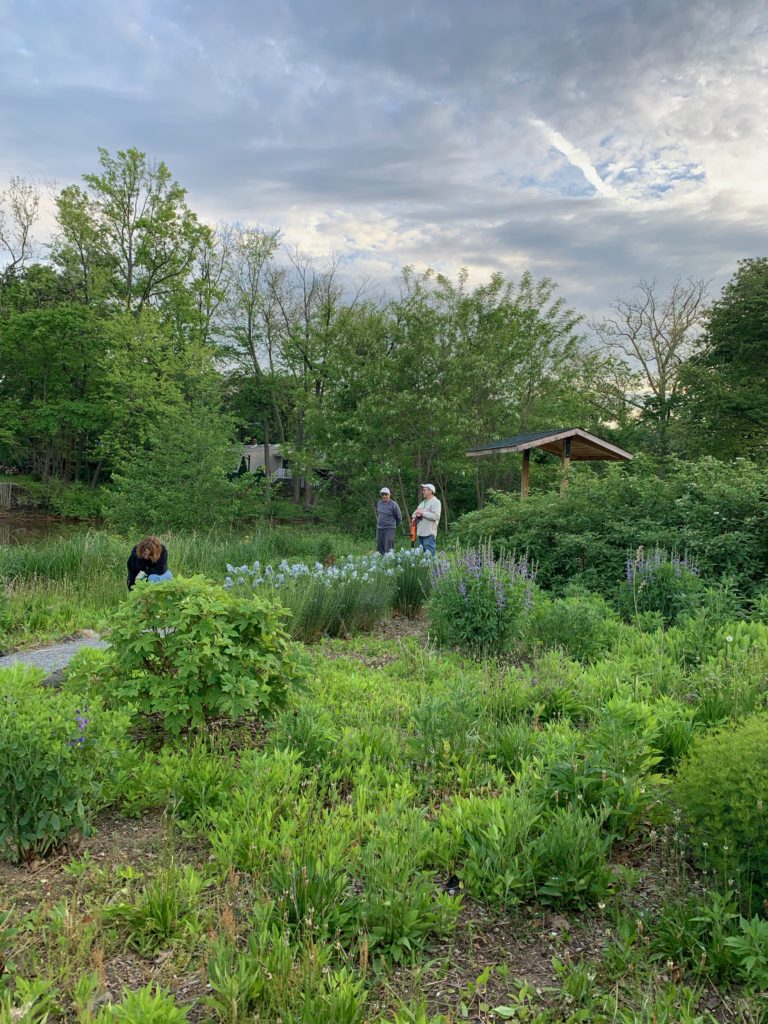
A Glimpse of the 2019 Garden

As we look at these plantings in Ross Lake Park, it is clear why these choices are so successful. New Jersey’s climate—characterized by humid summers and variable soil—is the natural home for many of these species.

Here is why these plants are perfectly suited for a New Jersey habitat:

The Native Powerhouses

  • Mountain Mint (Pycnanthemum): This is a New Jersey superstar. It is incredibly hardy, drought-tolerant once established, and deer-resistant—a major “must-have” for NJ gardeners. It thrives in our local humidity and provides critical mid-to-late summer nectar.
  • Rudbeckia (Black-eyed Susan): This quintessential NJ wildflower loves the full sun of our Jersey summers. It’s a pioneer species, meaning it’s tough enough to handle the clay-heavy soils often found in our region while supporting the local Monarch population.
  • Cat Tails (Typha): Perfectly adapted to the marshy edges of New Jersey’s many lakes and retention basins, these plants are vital for stabilizing our local shorelines and providing nesting sites for native red-winged blackbirds.

The Summer Showstoppers

  • Hibiscus (Rose Mallow): While some hibiscus are tropical, the perennial varieties seen here are native to the wetlands of the mid-Atlantic. They love the heat and the “mucky” soil found near Jersey water sources, producing those massive blooms even in the thickest August humidity.
  • Hydrangea: These thrive in the dappled sunlight of the Garden State. Because NJ falls into USDA Zones 6 and 7, hydrangeas appreciate our coastal influence and the moisture in our air, though they do best when protected from the harshest afternoon sun.
  • Sweet Pepper Bush: New Jersey isn’t called the Garden State for nothing! Our long, hot growing season is ideal for pepper plants. The local bee population at Ross Lake Park ensures these crops are well-pollinated.

Looking East

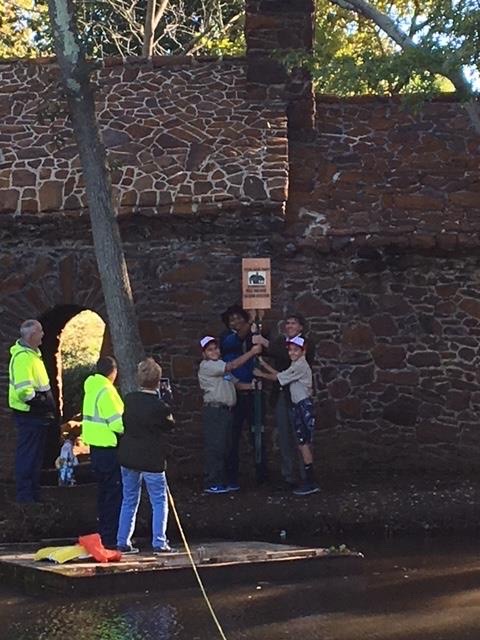
Long Branch Troop 148 helps out at Ross Island


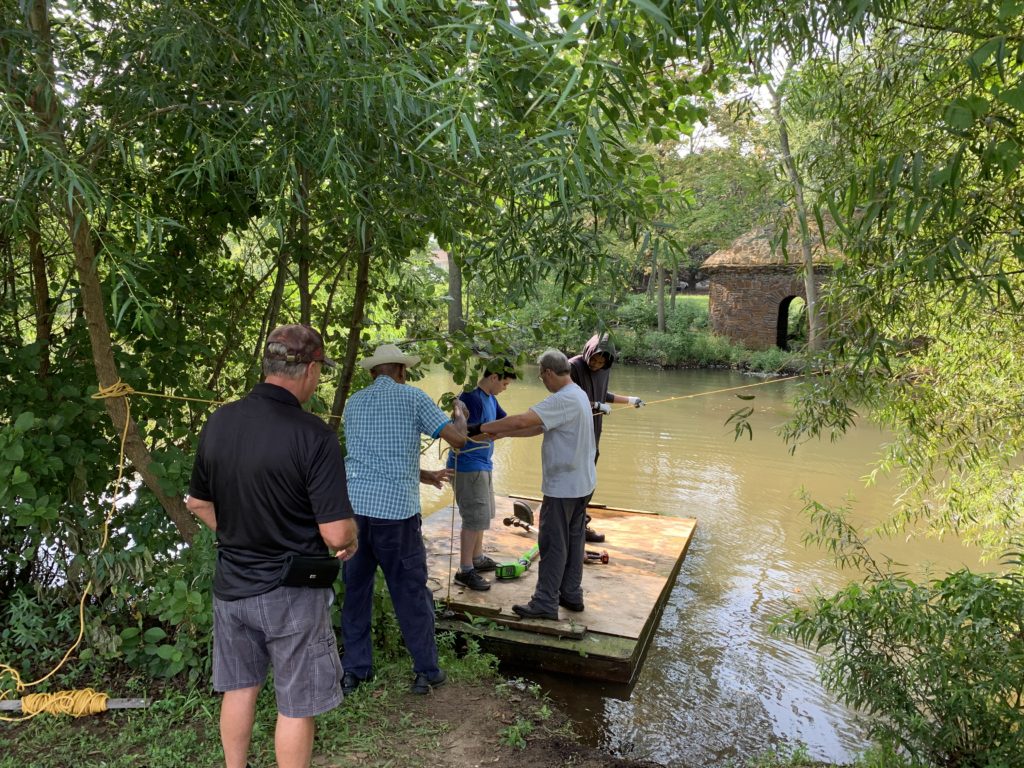
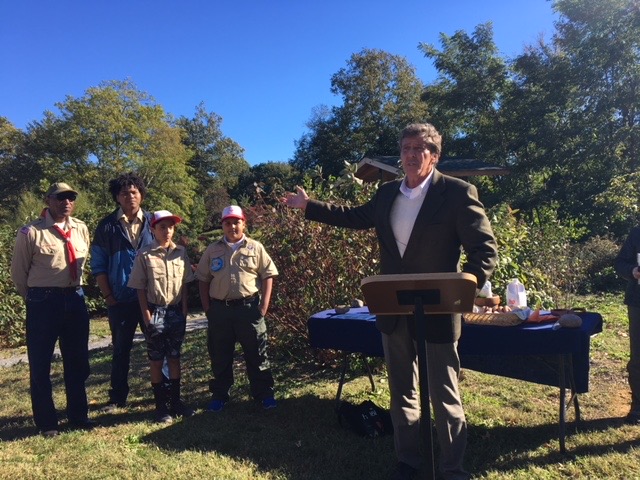
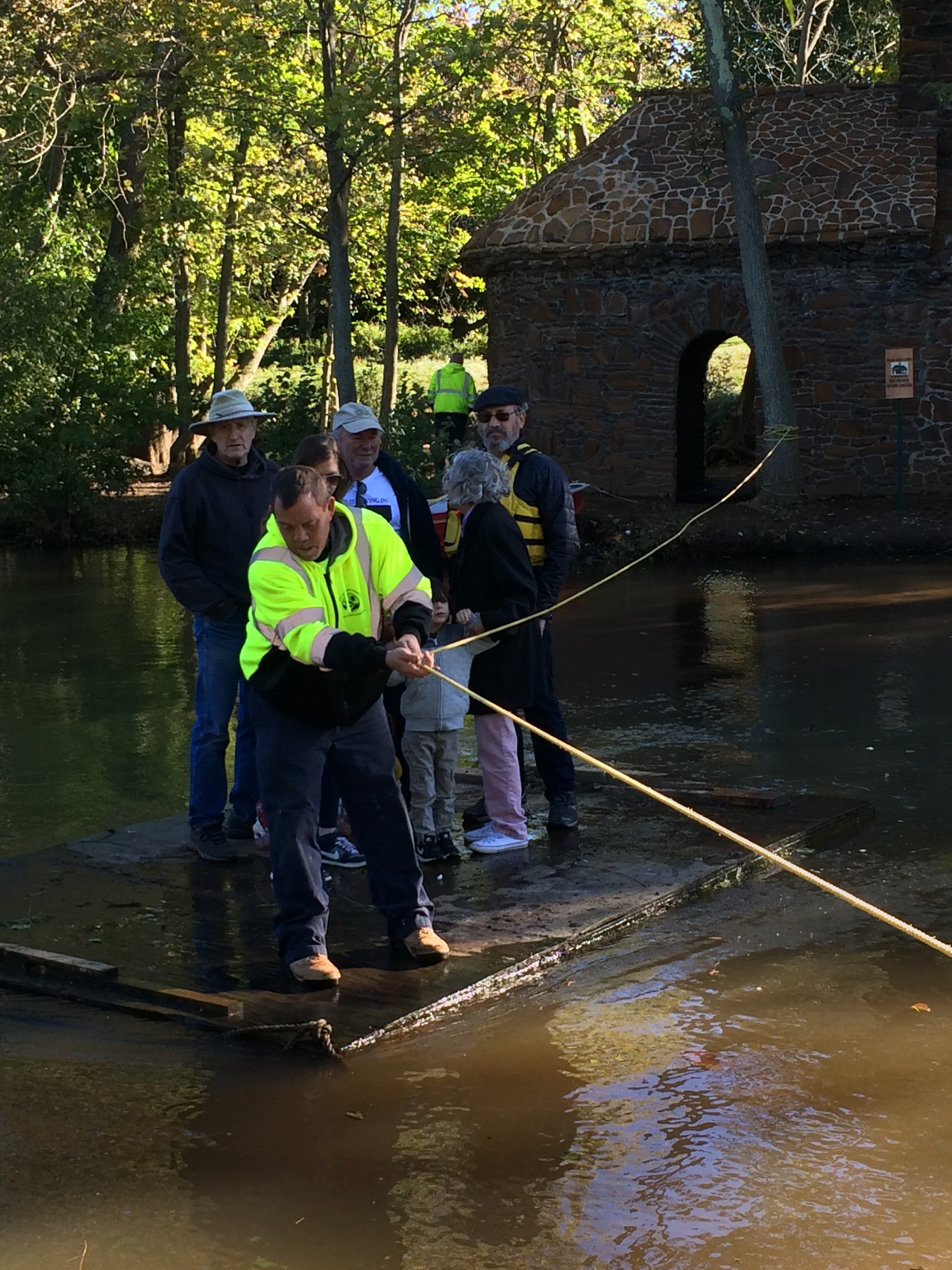
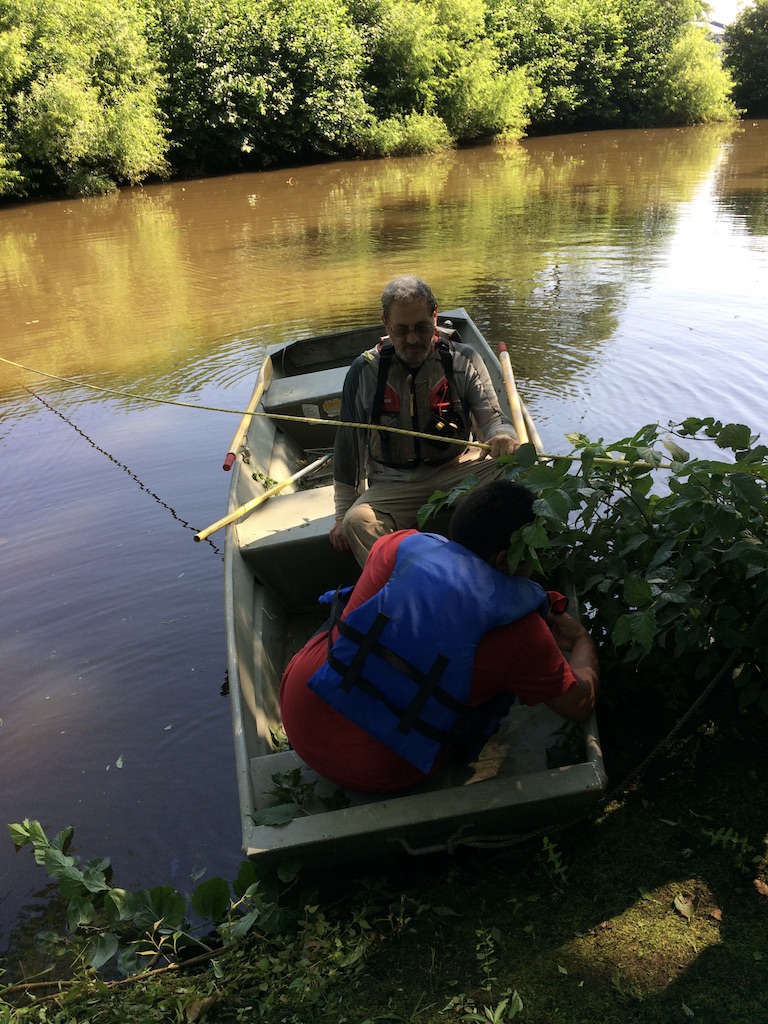
On a sweltering morning, even at 9 am Troop 148 scouts helped pull the Monmouth University jon boat across Ross Lake. It was loaded with clippers, weed whackers and rakes.  Scout Master Levester Bromley set up a sun shelter and brought a cooler filled with goodies for our return.

After the third trip, with Chuck at the helm, we were all on the island. The scouts found a hornet’s nest in a tree and also a skull. They thought it might have been an opossum.

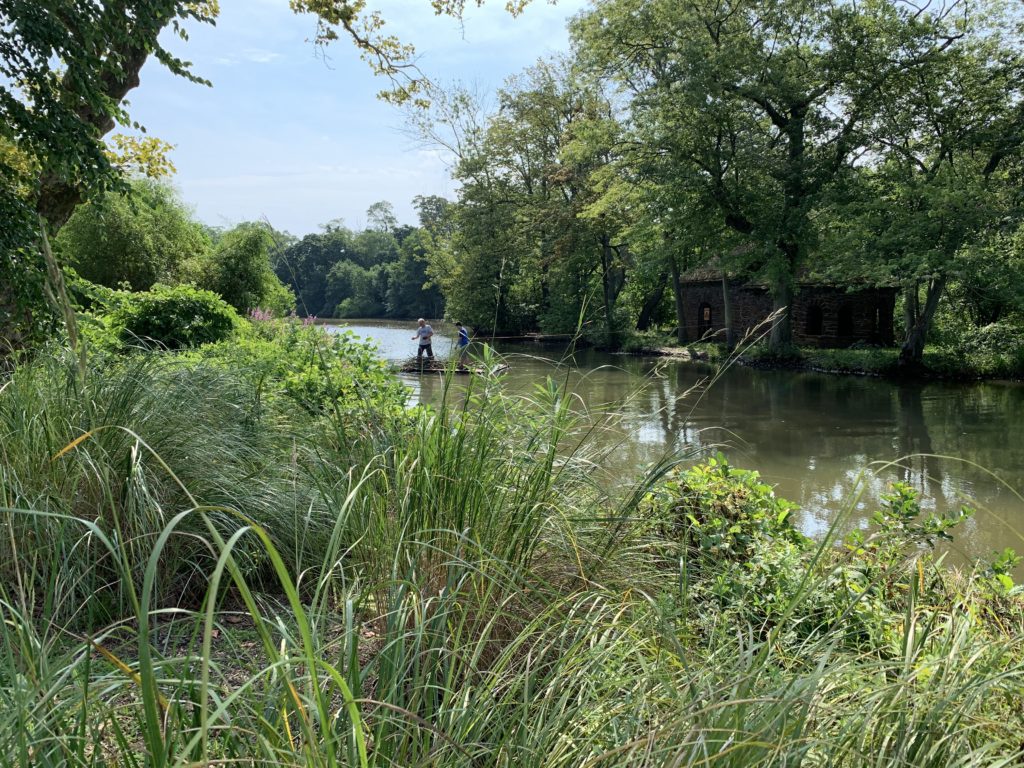
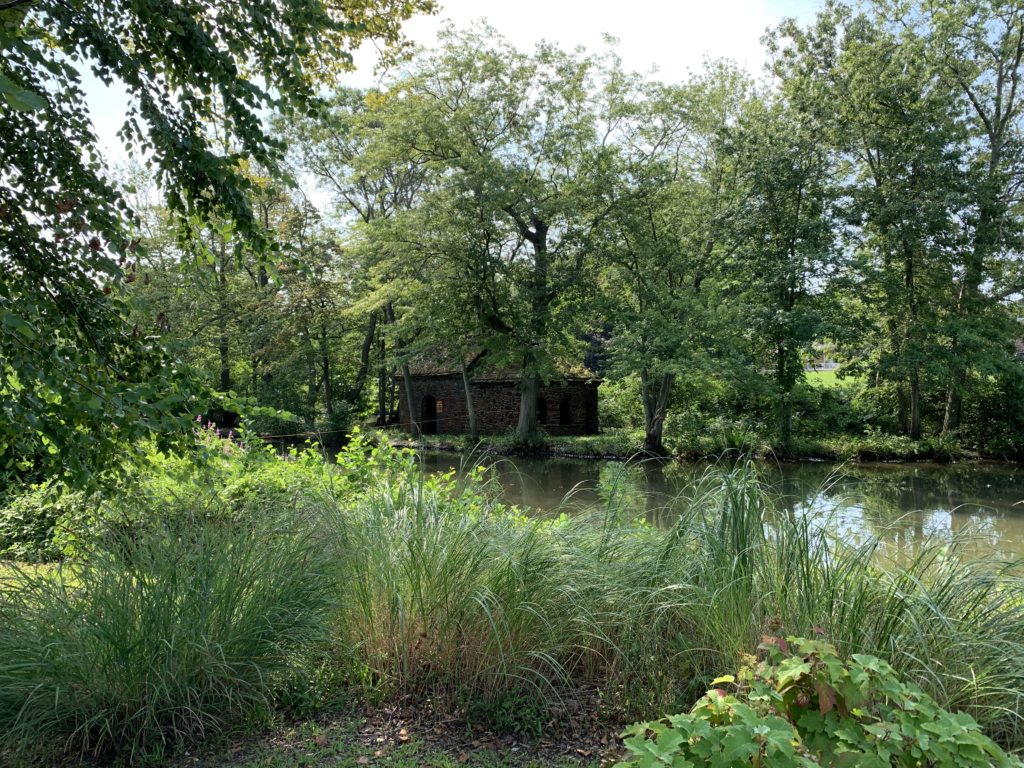
We opened up a view so that people sitting on the new park bench shelter could clearly see the 117- year- old stone hut. We also wanted to pull off all the vines from the hut’s walls in preparation for the stone masonry work scheduled for this month.

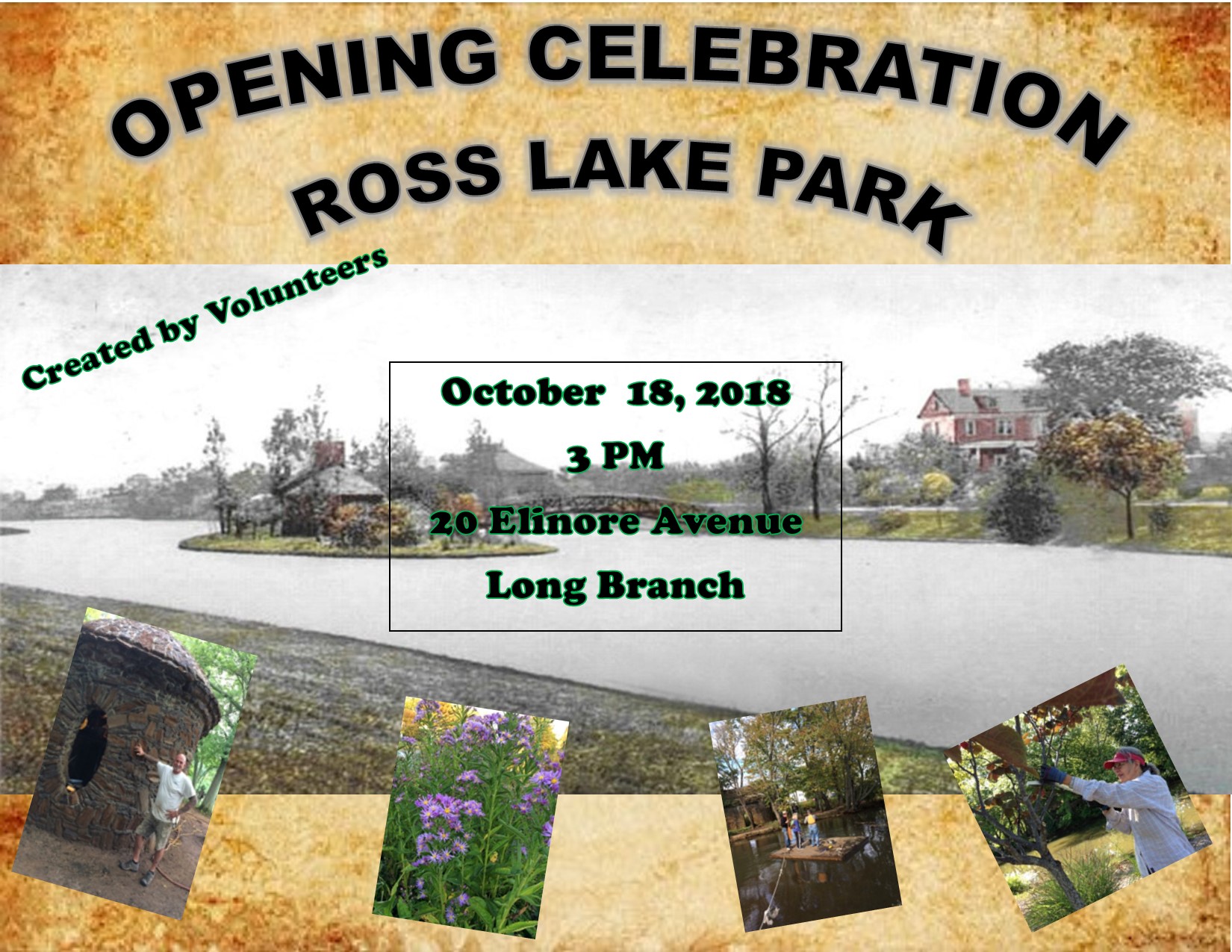
The on-going  beautification of Ross Lake Park has been a joint effort between the Long Branch Environmental Commission, the Whale Pond Brook Watershed Association, the Monmouth County Historical Commission, Monmouth University and the Jersey Shore Group of the Sierra Club since 2014.   Come visit the park and see for yourself.  Sit on the bench and watch the osprey, the great blue heron and the butterflies.

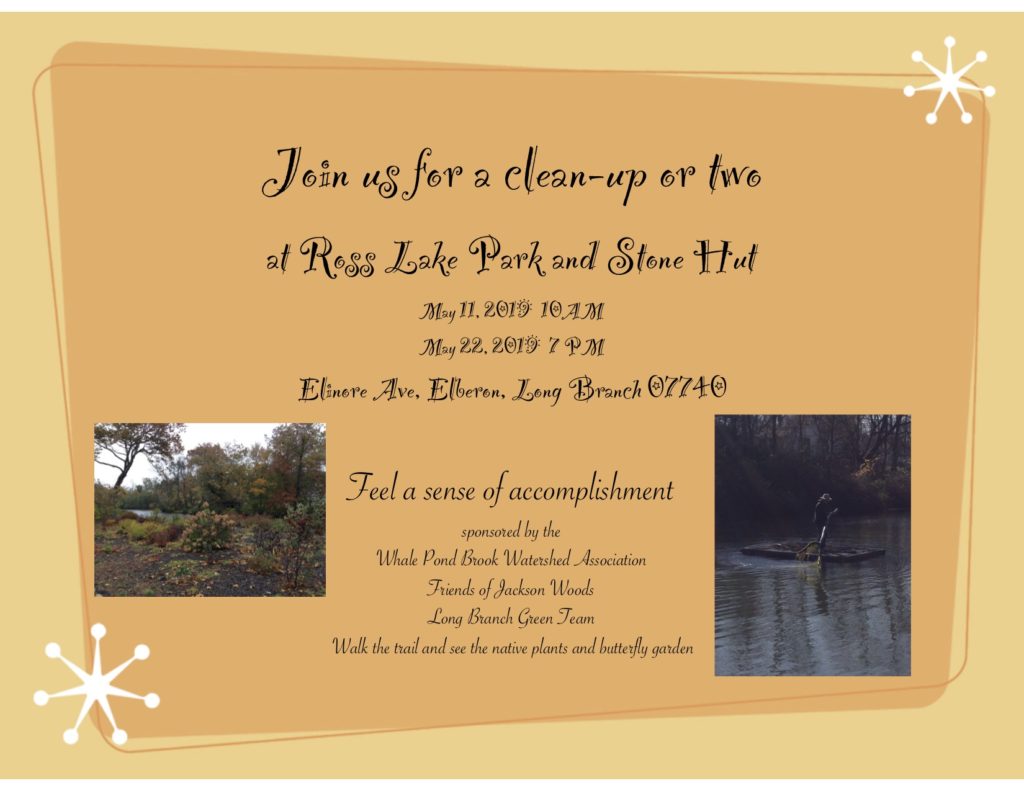
19 Elinore Ave   Long Branch 07740