

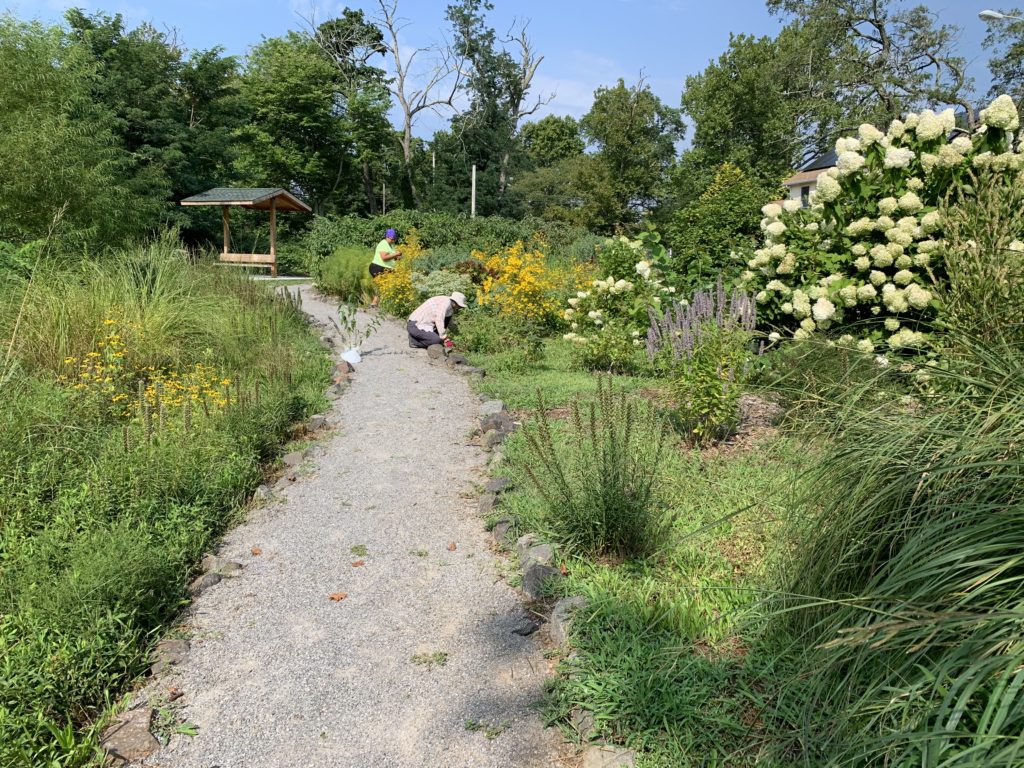
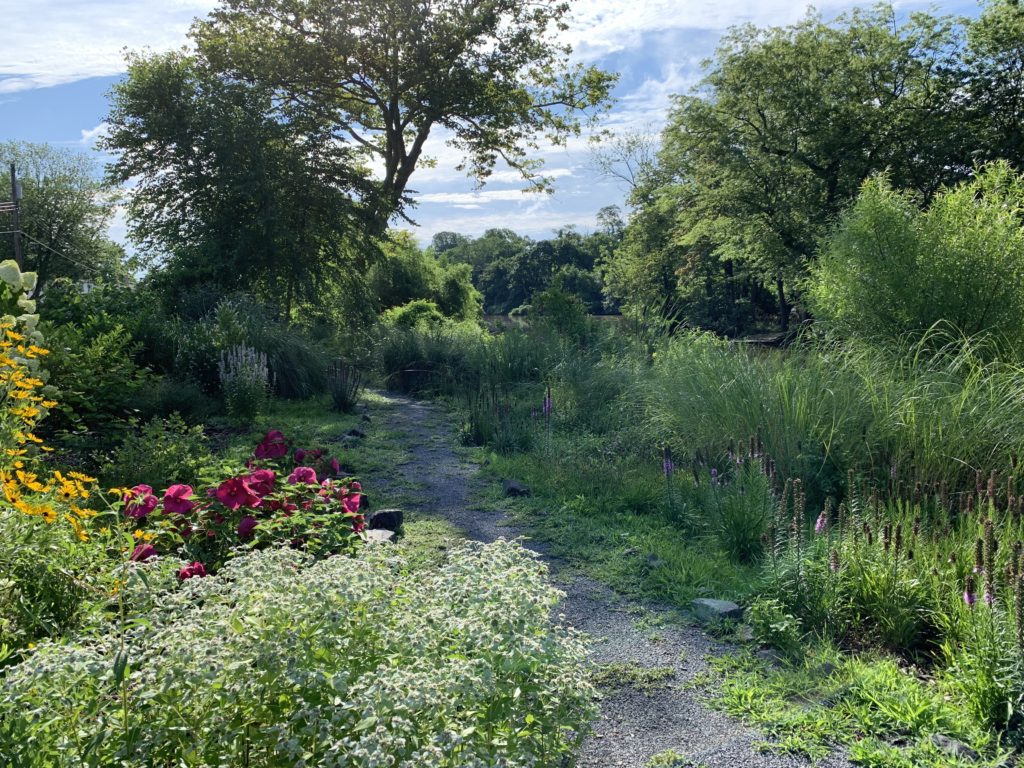
Ross Lake Park September 2023 was showing off its fall beauty, getting ready for the Monmouth County Native Plant Society Garden Tour. Tropical Storm Ophelia put an end to that. We wanted you to get a glimpse of what you would have seen.
Continue reading Ross Lake in the FallCategory Archives: Ross Lake Park Garden Journal

Ross Lake Journal: Early July
We are going native with our garden at Ross Lake Park.
Continue reading Ross Lake Journal: Early JulyRoss Lake Volunteer Job List – May 2020
Saturday, May 2 and Sunday, May 3 are expected to be beautiful days. Now is the time to prepare the gardens for even more beautiful days in the future. Routine garden maintenance is a great way to get out of the house, enjoy the weather and lift your mood. So, head to Ross Lake with a sharp pair of bypass pruners and your favorite weeding tools. Come when you feel like it.
Even though there is no volunteer time schedule, a logical sequence of work is important to think about. The following tasks are listed by seasonal importance. In other words, these are the things that need to be done at this particular time of the year. They are listed in order of most important to least important.
- Finish pruning the Red Twig Dogwood at the east and west entrances to the trail.The ones at the west end are in the most need of pruning. Start by removing some of the “runners” that grow horizontally along the ground. Then, remove all dead stems. These are easy to spot now. The stems are brown or grey, without buds or leaves. Nothing else on the dogwood should be pruned. They are getting ready to bloom!
- Remove all leaves, grass and weeds underneath shrubs.Clear the area to about one foot past the outer branches, especially around those shrubs that are nearest to the street. Long Branch DPW mows the grass between the curb and the garden. Most maintenance crews like to have a “margin of error” so that the they don’t have to bring their mowers too close to the shrubs.
- Remove any invasive vines or plants growing in the grasses between the path and the lake.They are easy to spot now, but they will be hidden soon.
4. Remove all plants growing in the path.
Butterflies lay their eggs on the dead flower stems in the pollinator garden. They also serve as markers for emerging plants we want to keep. Let’s leave them for now.
If you want to do some digging, some of the grasses need to be replanted at the end of Red Oaks Drive, across the lake. The soil around the roots may have eroded during the winter, exposing the root ball. They are beginning to grow, however, in spite of root exposure.
Please be considerate of any visitors by wearing a face covering.
Practice social distancing while gardening.
The Ross Lake Garden Committee

March Transitions: Pruning Tips and Habitat Protection at Ross Lake Park
Ross Lake Park Garden Journal Entry
The garden in late March shows the stems and seed pods of last summer’s perennials. Dried leaves helped to protect plant roots during winter, returned nutrients to the soil and provided a home for moths and insects.
Last summer, we planted grasses on the opposite bank of the lake, seen in the distance. These prevent erosion and are the are the beginnings of another garden requested by the neighbors.


After surveying the garden, we decided it was time to prune summersweet clethra now, before new growth appears. These plants bloom only on new shoots. Pruning stimulates new growth.
Spent hydrangea blooms need to be removed. Cut back to the first new bud on the stem.
March is the time to prune shrubby dogwoods such as blood twig and red-osier. Remove some or all of the brown stems. Young stems are bright red.
As we leave, we need to think about saving the brush removed from the butterfly garden, since butterflies lay their eggs on and inside the hollow stems. Caterpillars will emerge if we pile the brush together in a separate part of the garden.
What’s Blooming at Ross Lake Park August 2019
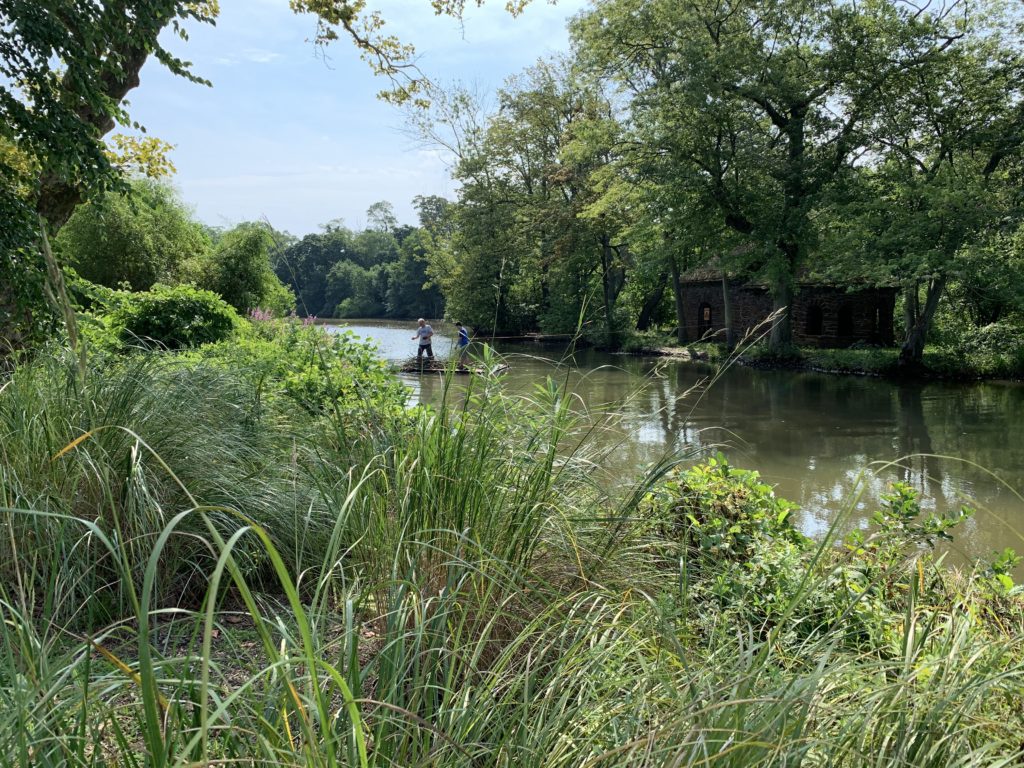
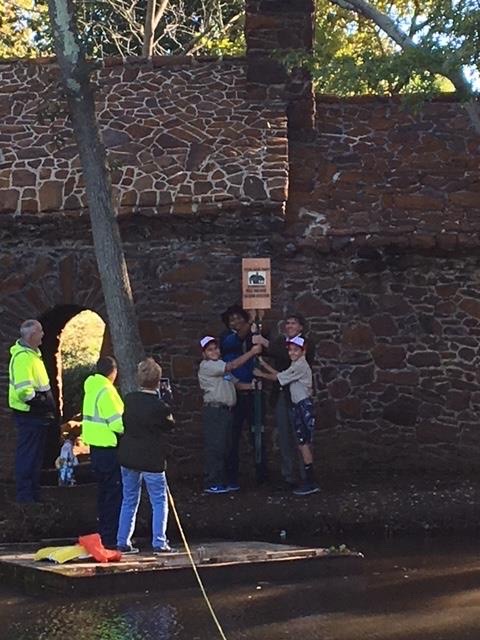
The Scouts came to clear the island of weeds. Thanks Lou DeLauro and crew for having the raft cleaned and ready on the shore.
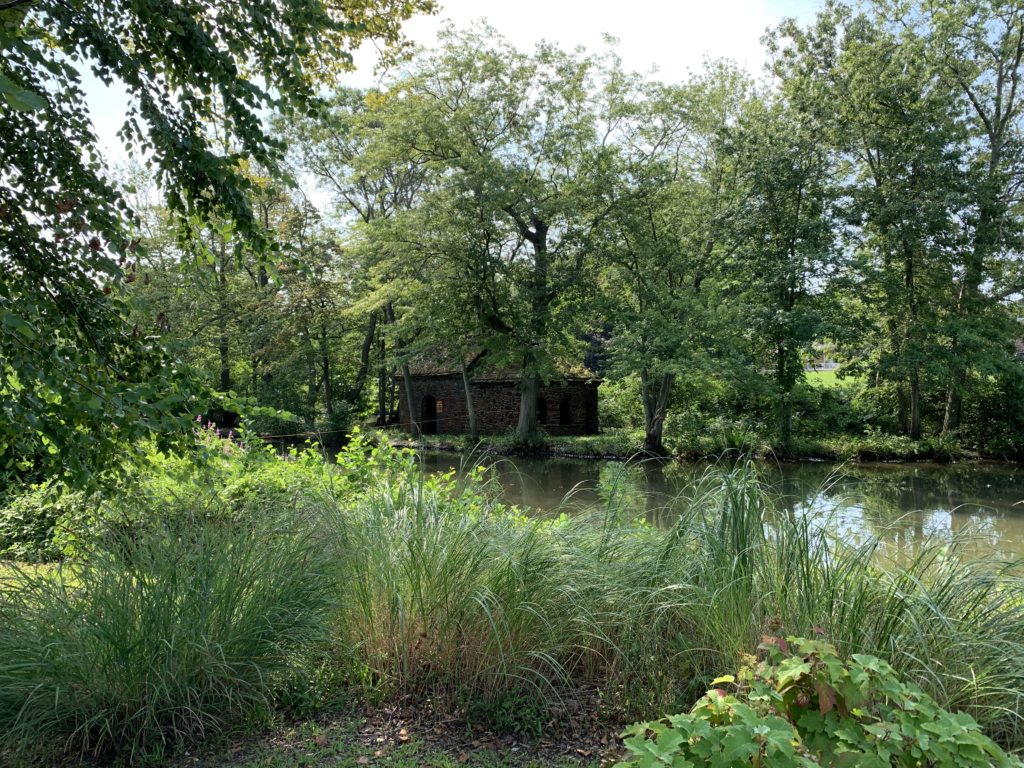
The island looks so much better now.
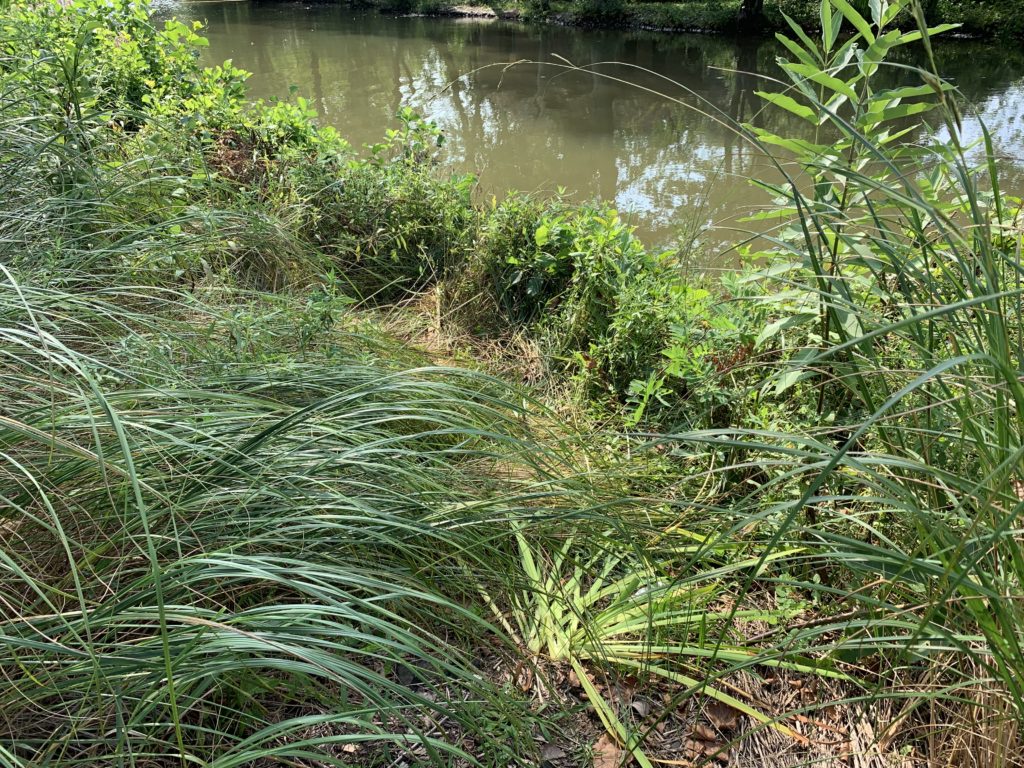
Seems like an animal is bedding down here.
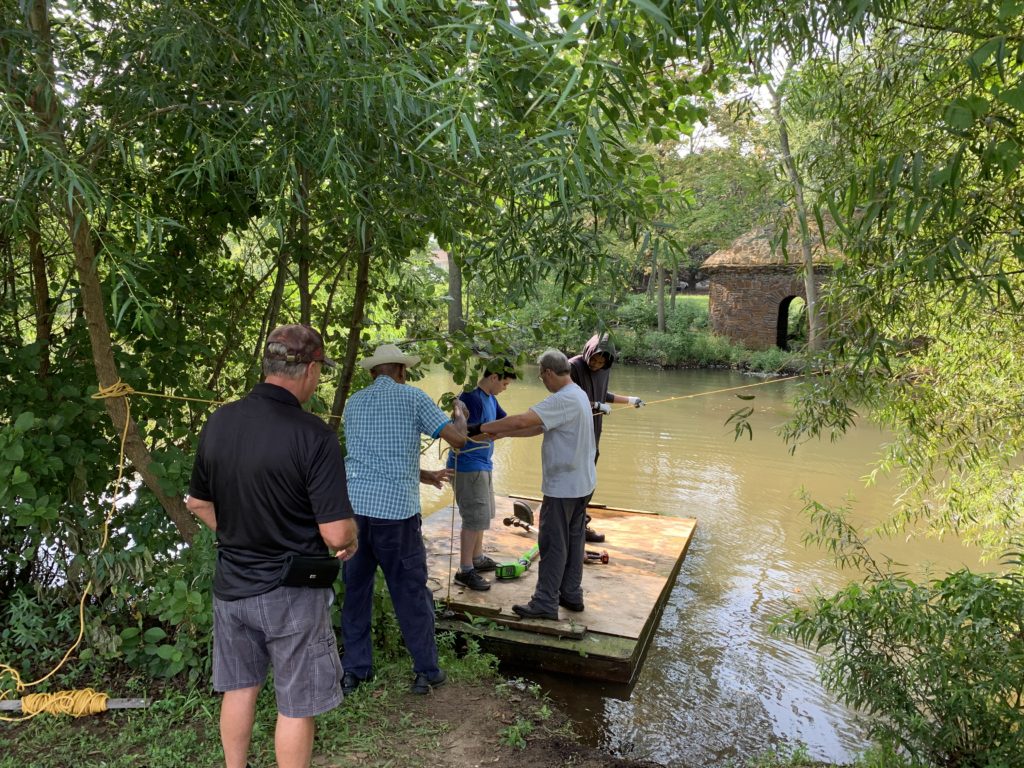
Water Testing at Takanassee and Ross Lakes in LB
August 27 2019


July 8 2019

August 27 2019


Summer 2019: A Garden’s Eastern Charm at Ross Lake Park
Ross Lake Park Garden Journal Entry
It is the summer of 2019, and the heat of summer is officially here at Ross Lake Park in Long Branch, New Jersey. The landscape is a snapshot of pure bliss, teeming with a remarkable array of plants and our tiny, tireless “garden friends.”
A Glimpse of the 2019 Garden
As we look at these plantings in Ross Lake Park, it is clear why these choices are so successful. New Jersey’s climate—characterized by humid summers and variable soil—is the natural home for many of these species.


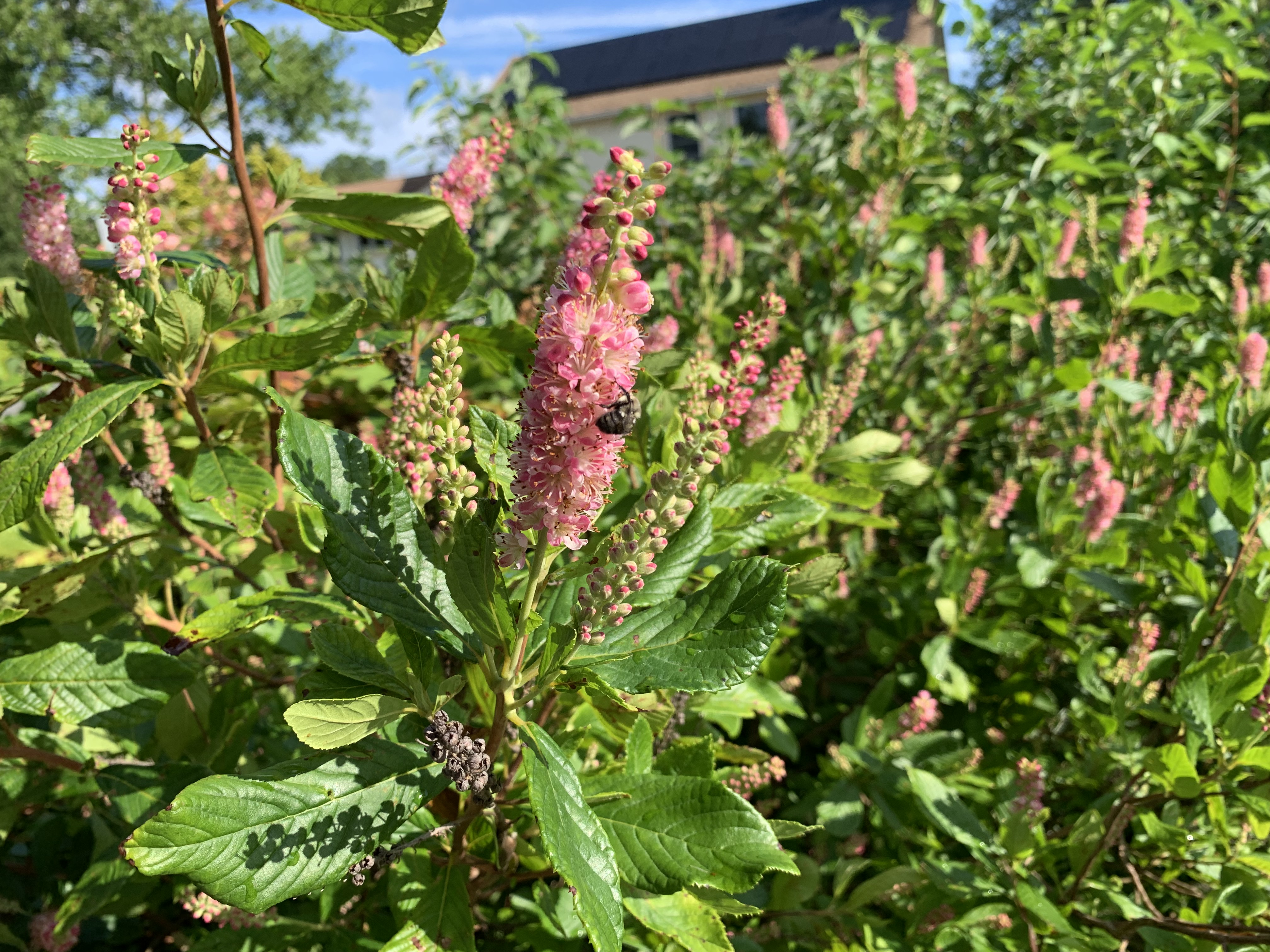
Here is why these plants are perfectly suited for a New Jersey habitat:
The Native Powerhouses
- Mountain Mint (Pycnanthemum): This is a New Jersey superstar. It is incredibly hardy, drought-tolerant once established, and deer-resistant—a major “must-have” for NJ gardeners. It thrives in our local humidity and provides critical mid-to-late summer nectar.
- Rudbeckia (Black-eyed Susan): This quintessential NJ wildflower loves the full sun of our Jersey summers. It’s a pioneer species, meaning it’s tough enough to handle the clay-heavy soils often found in our region while supporting the local Monarch population.
- Cat Tails (Typha): Perfectly adapted to the marshy edges of New Jersey’s many lakes and retention basins, these plants are vital for stabilizing our local shorelines and providing nesting sites for native red-winged blackbirds.
The Summer Showstoppers
- Hibiscus (Rose Mallow): While some hibiscus are tropical, the perennial varieties seen here are native to the wetlands of the mid-Atlantic. They love the heat and the “mucky” soil found near Jersey water sources, producing those massive blooms even in the thickest August humidity.
- Hydrangea: These thrive in the dappled sunlight of the Garden State. Because NJ falls into USDA Zones 6 and 7, hydrangeas appreciate our coastal influence and the moisture in our air, though they do best when protected from the harshest afternoon sun.
- Sweet Pepper Bush: New Jersey isn’t called the Garden State for nothing! Our long, hot growing season is ideal for pepper plants. The local bee population at Ross Lake Park ensures these crops are well-pollinated.
Looking East

Ross Lake Park garden clean-up May 22
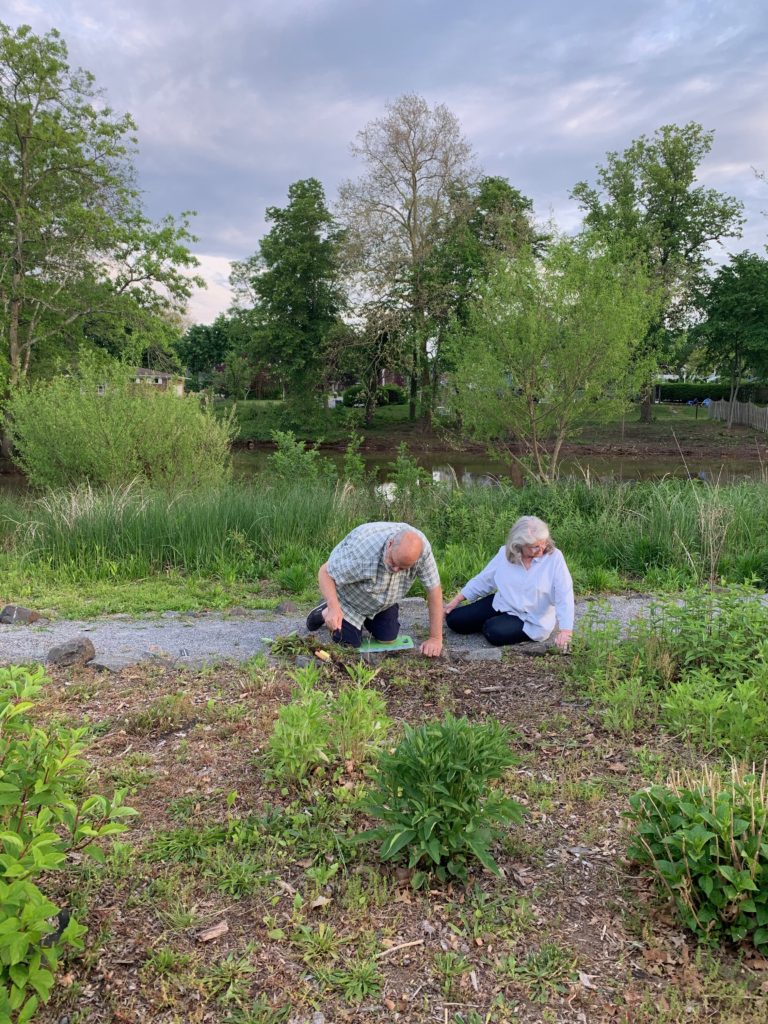
New volunteers came to help. Thank you. 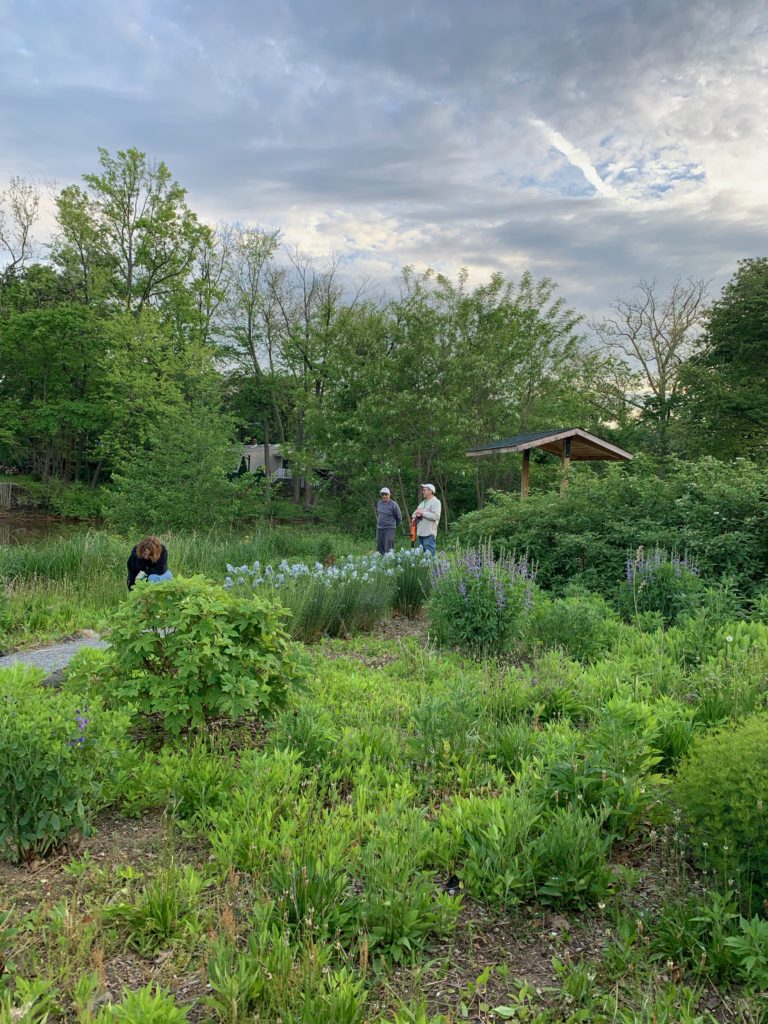
Butterfly garden looking good.
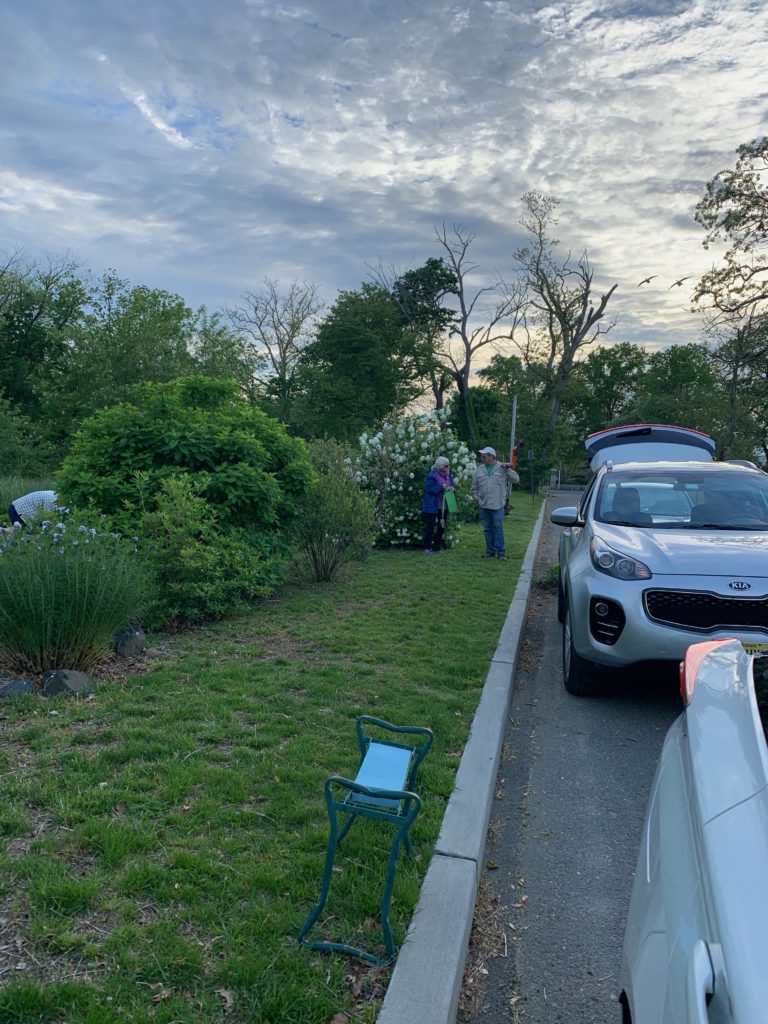
7 pm seems like a great time to garden. It’s cool and the birds are out for their last snack of the evening.
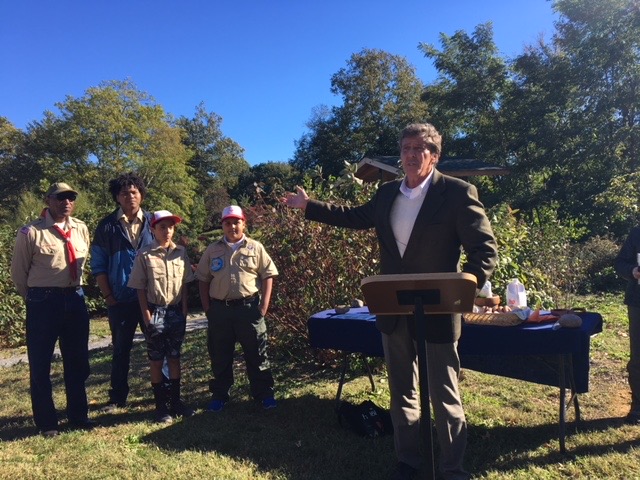
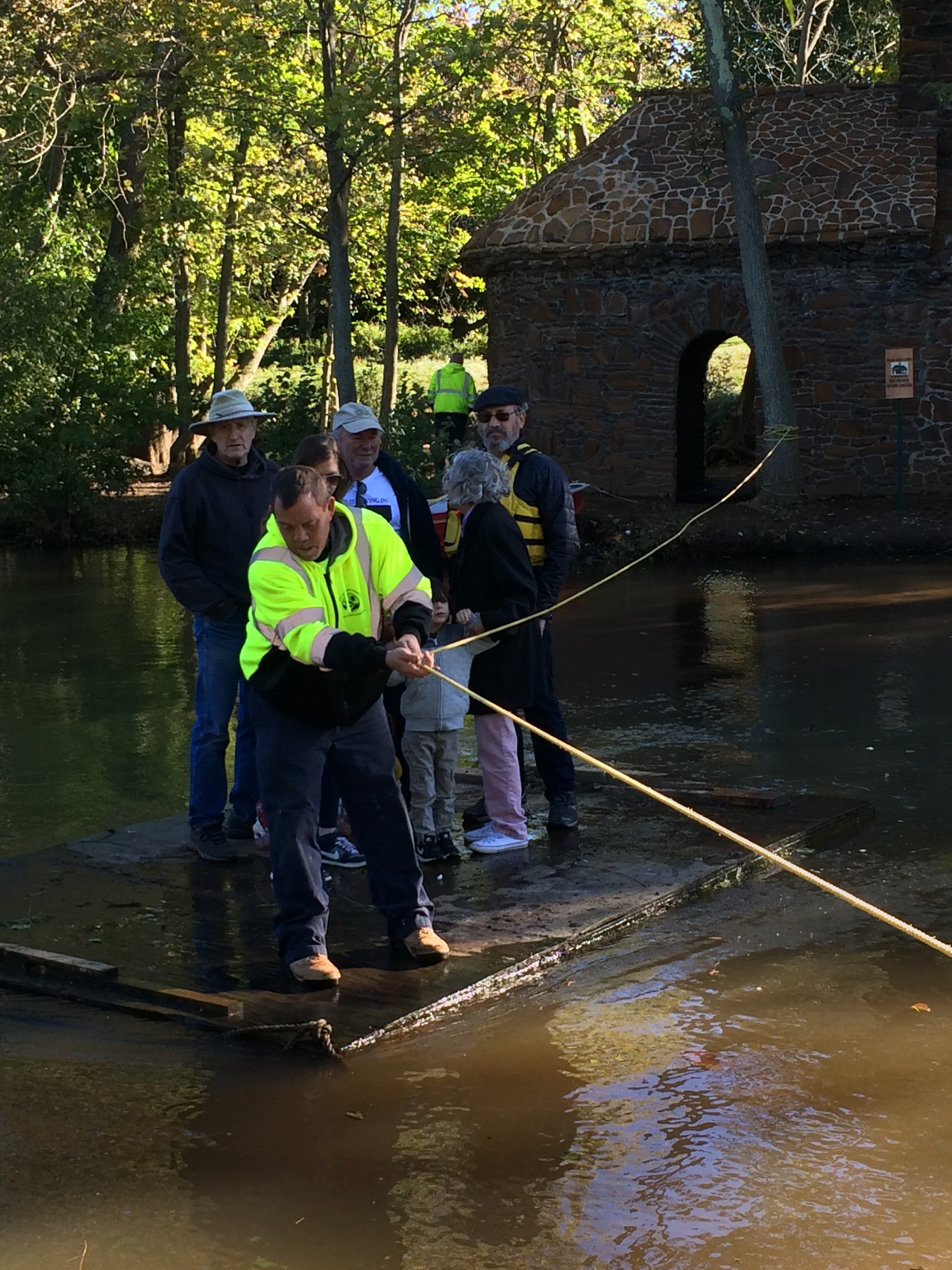
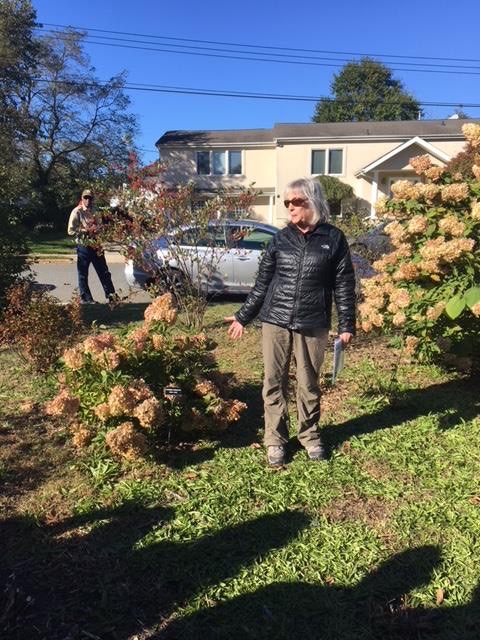
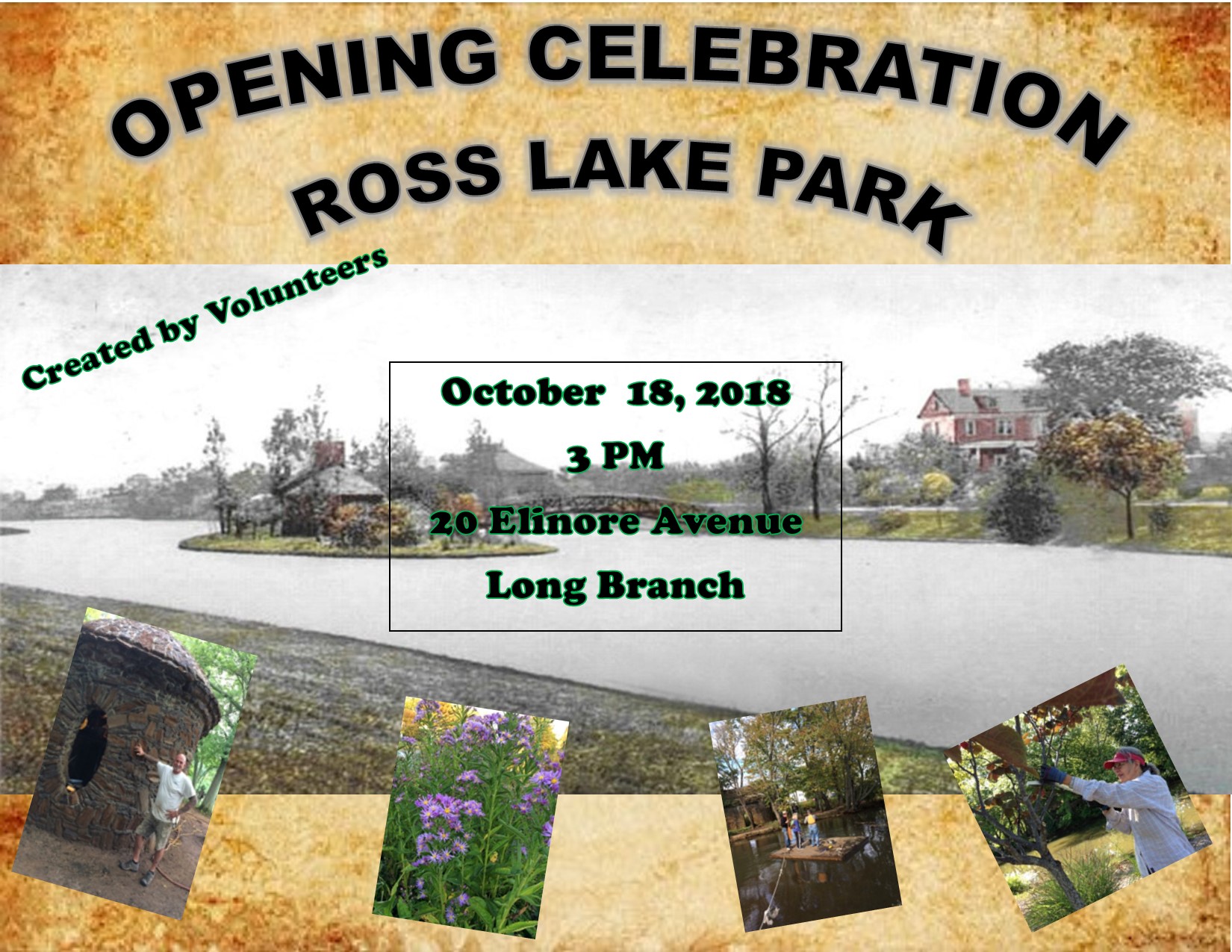
A grand opening celebration at Ross Lake Park









August in Ross Lake Park
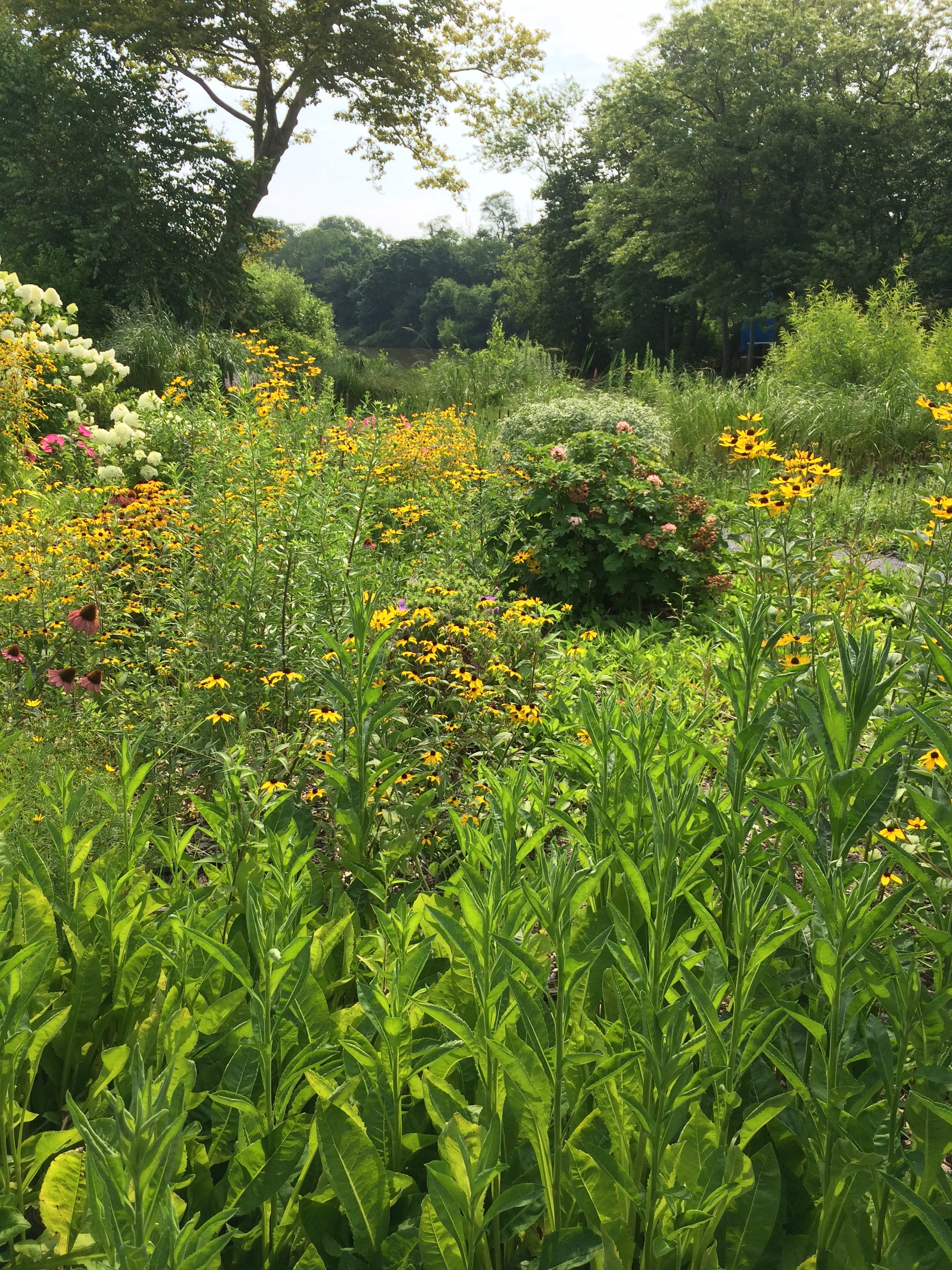
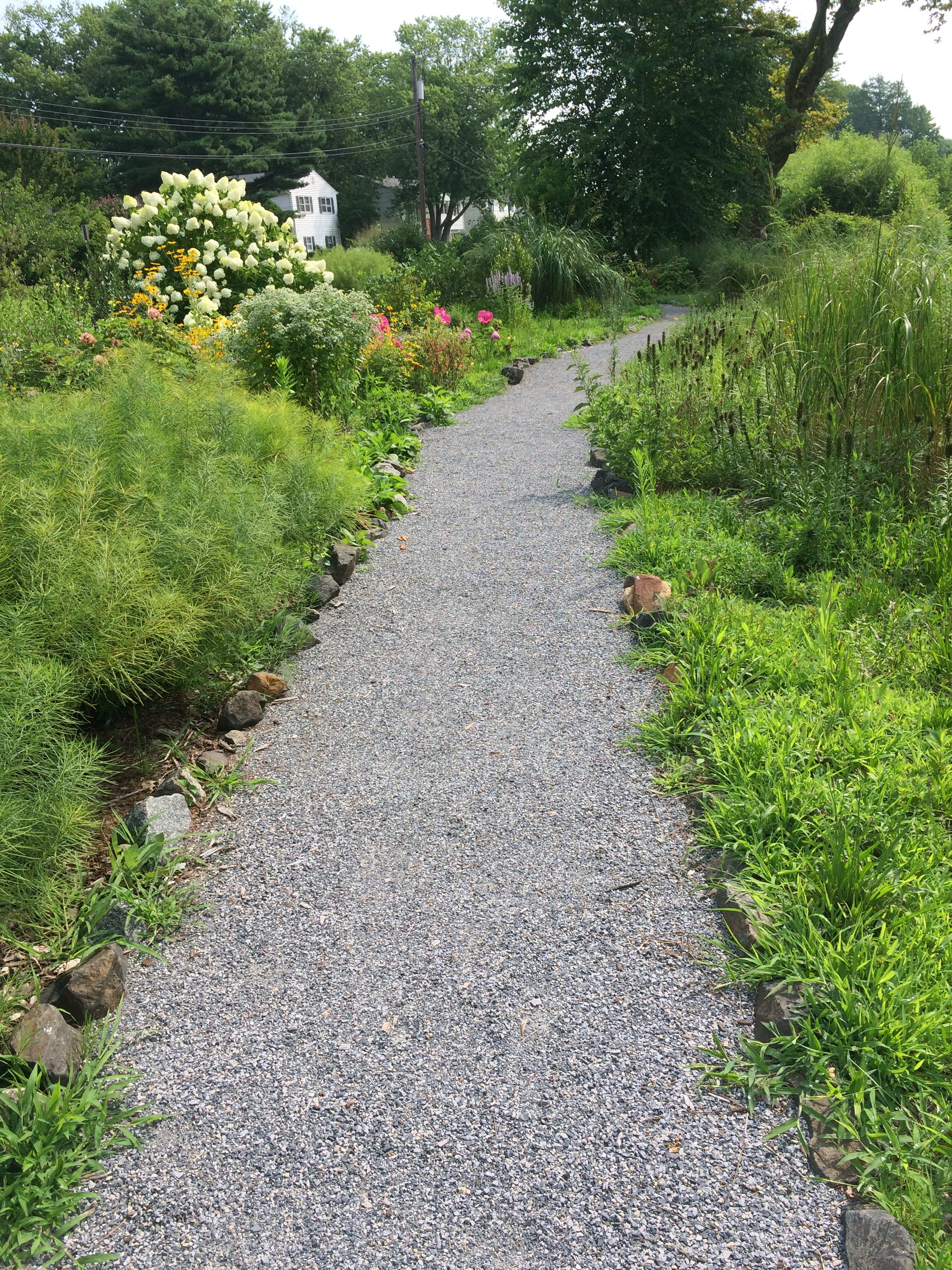

Come walk along the path, sit on the bench, take in the beauty of the flowers, butterflies, blue herons and osprey.