
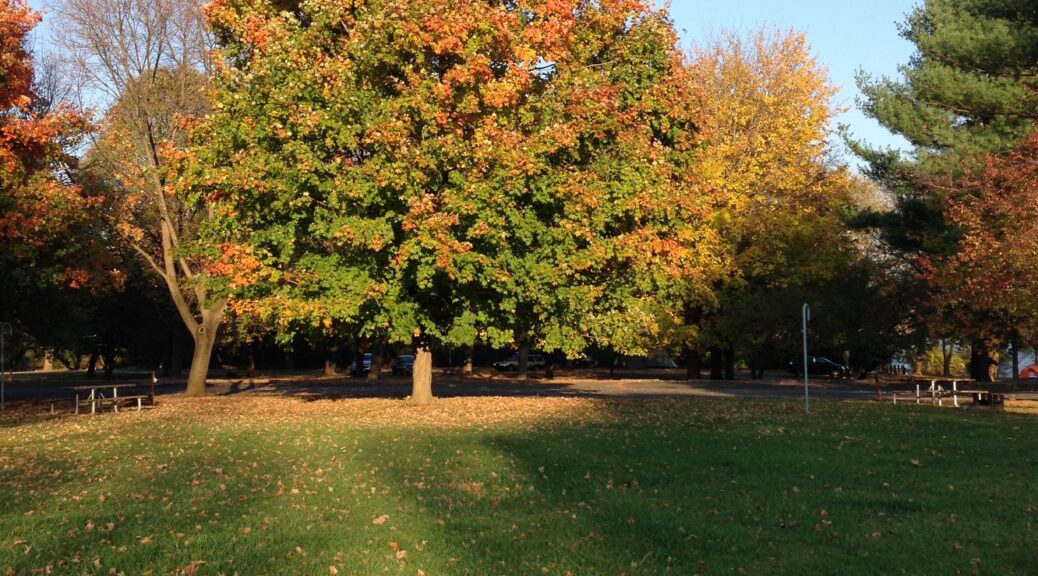
Today, we are sharing a poignant reflection from M. Goldstein, a local citizen whose concerns about our disappearing urban canopy serve as a wake-up call for us all. Goldstein reminds us that trees are not merely decorations—they are a biological lifeline and a legacy we leave for those who come after us.
Continue reading FOCUS on TREESCategory Archives: Uncategorized

Watersheds: What are they and why are they important?
What are watersheds?
Continue reading Watersheds: What are they and why are they important?Where does the water go when you empty your pool?
Do you put a hose from your pool to the street to empty your pool?
Do you know that the water goes into the street and down the storm drain. Storm drains do NOT go to the sewer treatment plant. They lead to the nearest body of water, for instance Takanassee Lake.


So what can you do?
Swimming Pool Waste Water Fountains are designed to re-purpose properly balanced swimming pool waste water for irrigation. They can be used with sand or cartridge filtration systems. Their spray aerates waste water by sending it approximately six feet into the air. The returning water falls back to the ground like rain typically covering 100 square feet where it can be absorbed into the soil and water the grass.
And what about the grass? Chlorine levels are reduced through the process of aerating swimming pool water.
Waste Water Fountains also reduce the soil erosion normally caused by the forceful blast of a wastewater hose.
Construction is typically durable HDPE plastic. Some models are light enough to carry around with your fingertips. The ones made of HDPE are also recyclable.
You can also talk to someone from your Green Team and ask them to add an ordinance to your town Master Plan.
Here is a sample of a town ordinance in Monmouth County. Check your town’s stormwater ordinance and see what it says.
Per ordinance, it is unlawful to discard, spill or dump any material other than storm water into the municipal storm water system. Further, an illicit connection which is defined as any system that discharges domestic sewerage, swimming pool water, process wastewater or pollutants, is prohibited from discharging to the storm water system. Swimming pool water must be disposed of on the pool owner’s property. Waste water fountains are a good option to reduce water consumption, recycle pool water onsite and minimize soil erosion. The purpose of this ordinance is pollution and contamination prevention.
Swimming Pool Waste Water Fountains are designed to re-purpose properly balanced swimming pool waste water for irrigation. They can be used with sand or cartridge filtration systems. Their spray aerates waste water by sending it approximately six feet into the air. The returning water falls back to the ground like rain typically covering 100 square feet where it can be absorbed into the soil and water the grass.
And what about the grass? Chlorine levels are reduced through the process of aerating swimming pool water.
Waste Water Fountains also reduce the soil erosion normally caused by the forceful blast of a wastewater hose.
Construction is typically durable HDPE plastic. Some models are light enough to carry around with your fingertips. The ones made of HDPE are also recyclable.
Two beautiful spots on the WPB Greenway

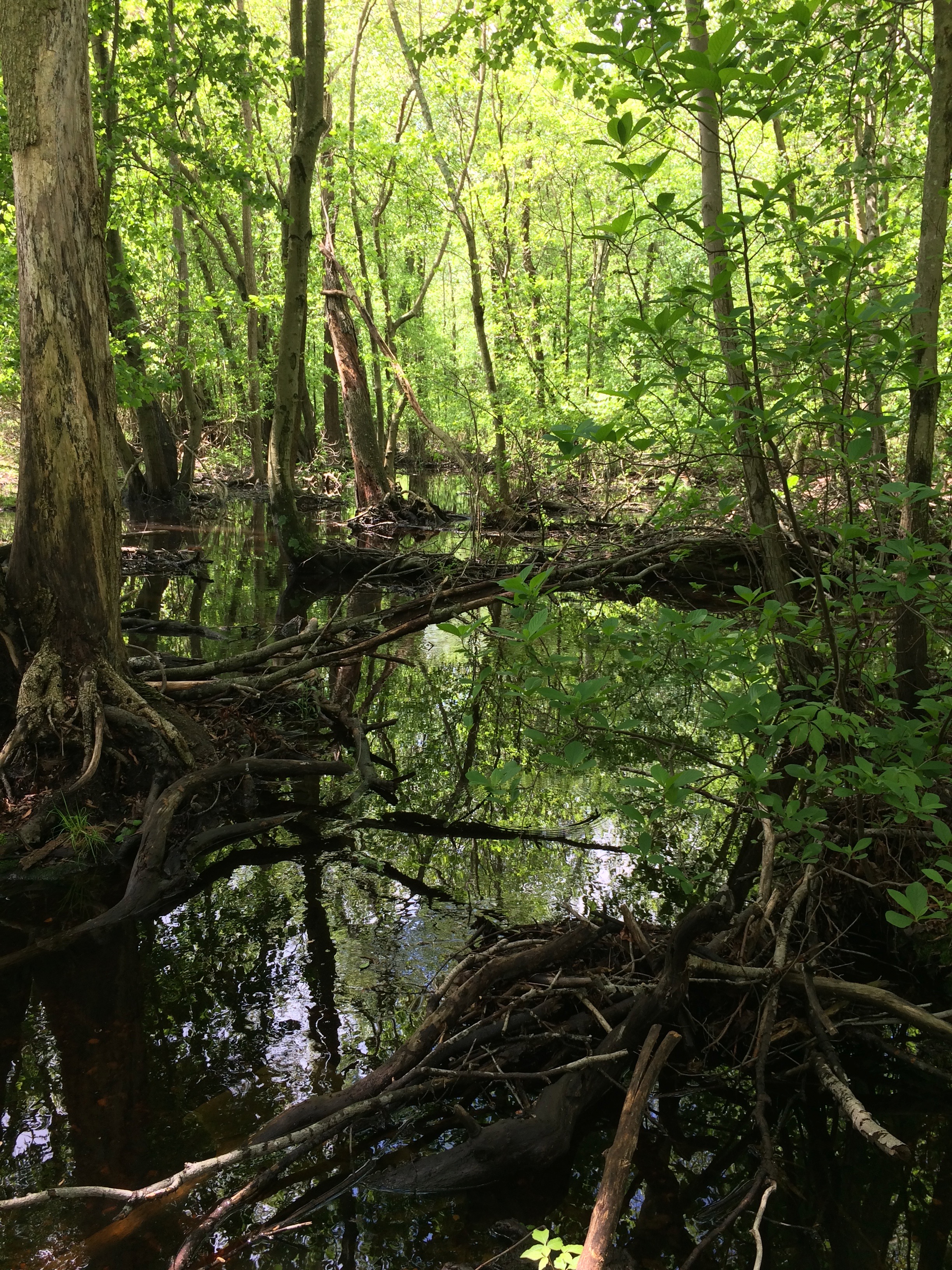 A glimpse of the Whale Pond Brook in Ocean Township along the Cindy Lane Trail.
Confluence
The Wild Rivers National Monument, New Mexico was created this year and is already under ‘review’ by Secretary Zinke. So remember, whether it be the confluence of the Rio Grande and the Red River in New Mexico or our Cranberry Brook and 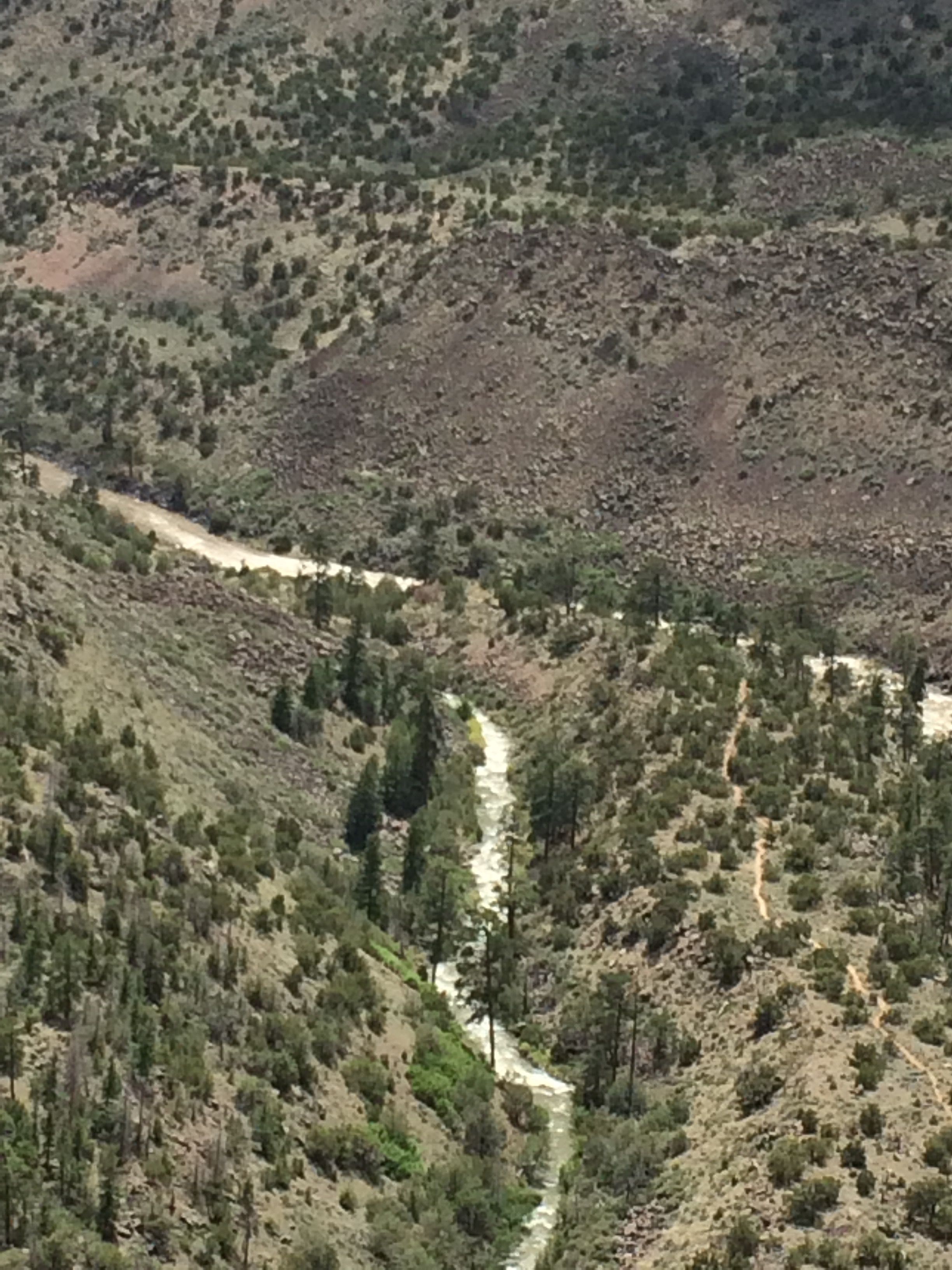

Whale Pond Brook, we love and try to protect our rivers and watersheds. Last month at our local Sierra Club meeting we generated 19 letters to Secretary Zinke urging him to protect our national monuments and parks. At the local level, please join us in our clean-ups, educational efforts, trail building and gardening. Get to know your watershed. Check out the events page on how you can get involved.
What is a watershed?
 oh please pick me, pick me.
 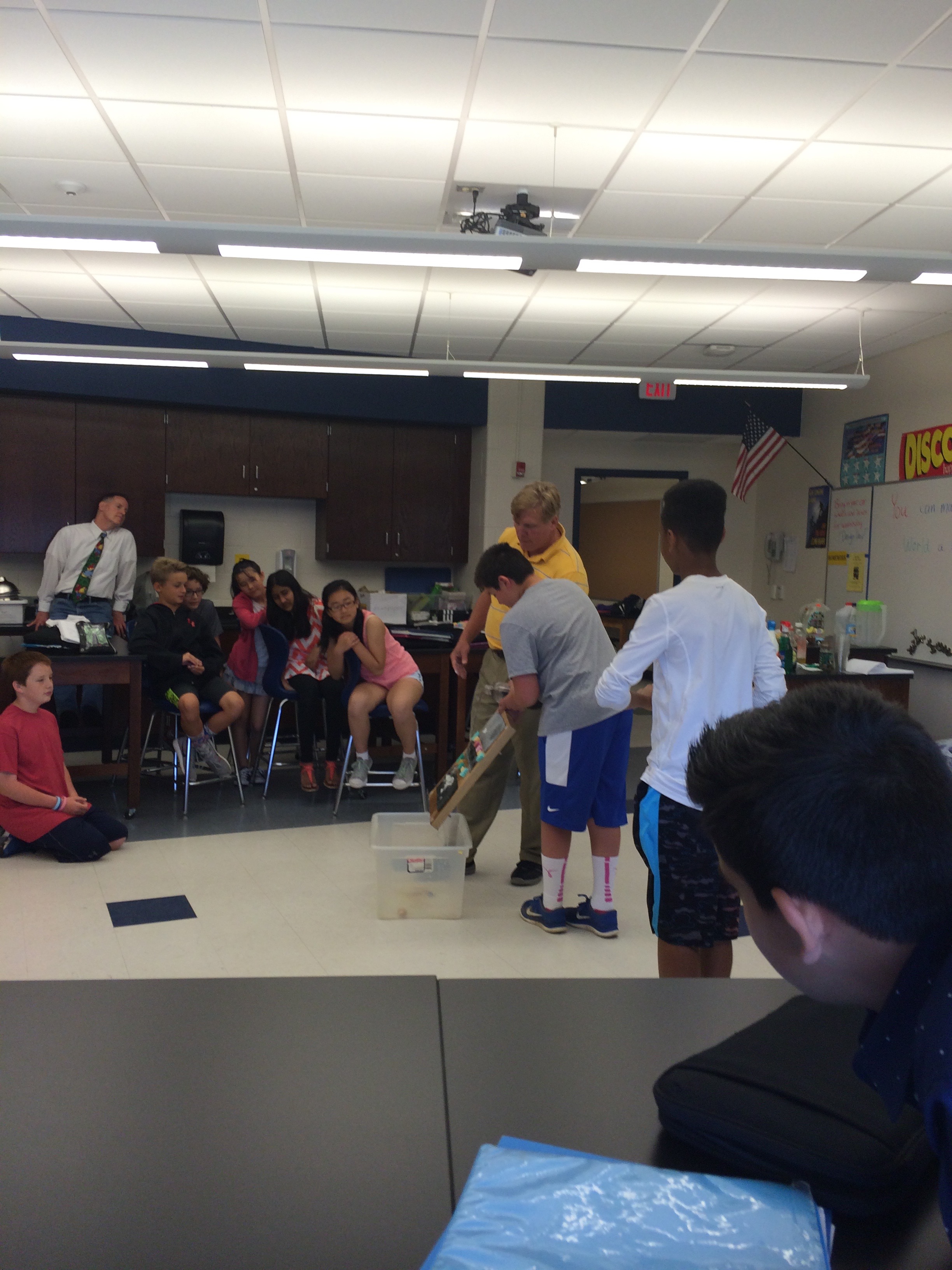 A fun, hands-on Whale Pond Brook watershed ecology and non-point source pollution lesson was taught to 4 sixth grade science classes at the Ocean Township Intermediate school. Kevin Connelly, Brookdale Ocean Institute, has a great way with the students and they all had a lot of fun. Hopefully we’ll get some home rain gardens out of the lesson.
Recycle those Holiday Decorations, Trees, Wreaths & Wrapping
For many of us, it’s that time of year to clean up after the holidays. The post below is from Clean Ocean Action, a local non-profit organization dedicated to ocean advocacy. www.cleanoceanaction.org
Read on about how to deal with holiday decorations!
|
Learning about Sustainability on an Unseasonably Warm December Day
Yesterday was a great day at the prestigious Stony Brook-Millstone Watershed Association.
Kate Hutelmyer and Ed Difiglia, both from the Watershed’s Policy Division, gave us a tour of their new Watershed Center for Environmental Advocacy, Science and Education, a LEED Platinum building in Pennington, NJ. Here are some highlights!
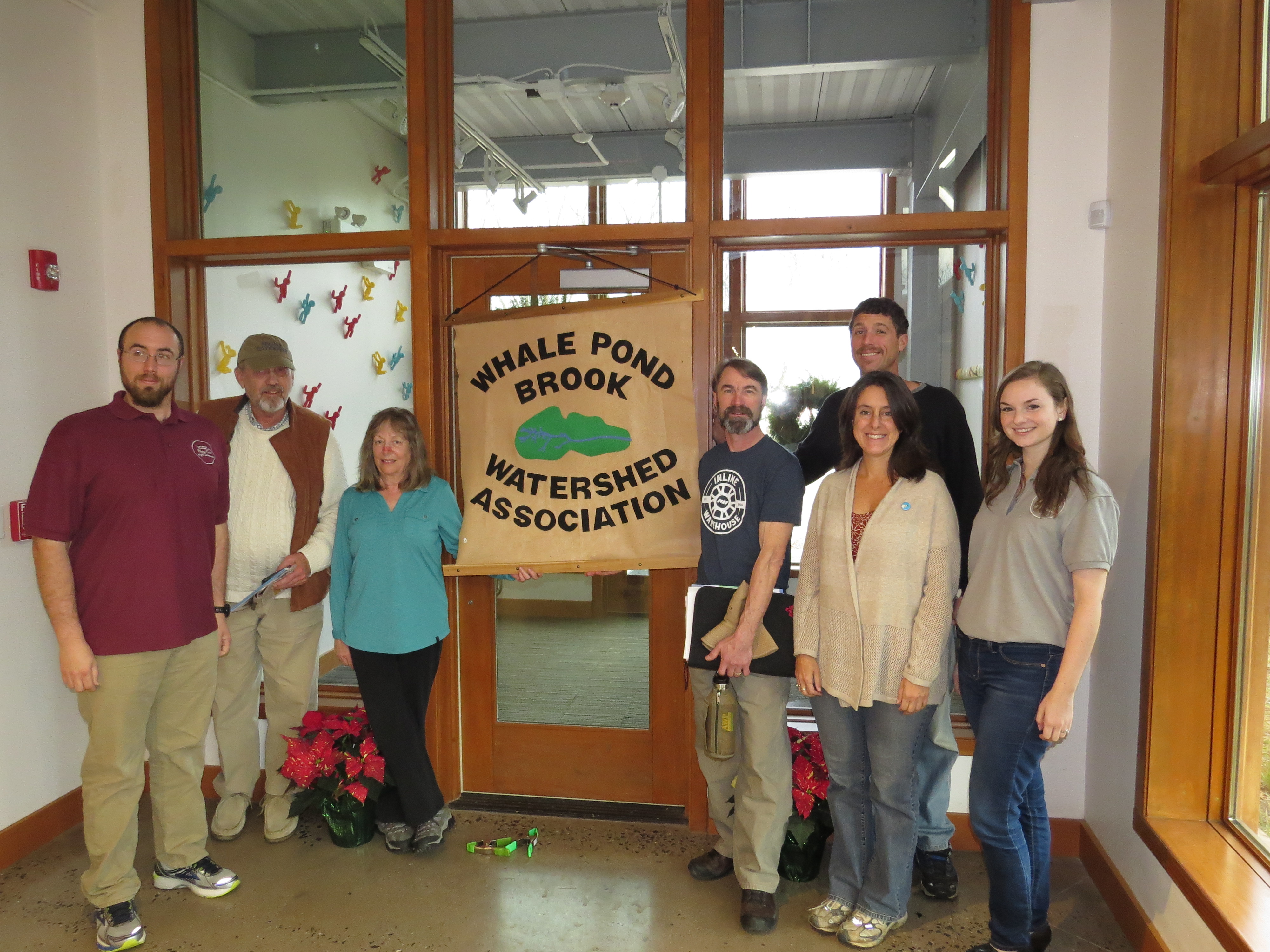
Pictured from Left to Right: Ed Difiglia, Bob Sandberg, Faith Teitelbaum, Ray Pogwist, Jeff King, Laura Bagwell and Kate Hutelmyer
Renewable Energy
Solar and geothermal technologies provide about 85% of the building’s energy needs.
Passive Solar Lighting
What an inviting and sun-filled room.

Green Roof & Solar Hot Water
A vegetated roof reduces runoff, reduces heat island effect, improves air quality, increases biodiversity, reduces noise, improves energy efficiency, acts as a fire retardant, and increases the longevity of roof membranes. SO much good!
….and the solar hot water is highly efficient.

Rainwater Harvesting
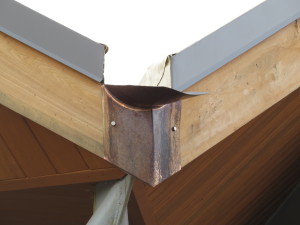
Note the “bird’s beak” funnels rainwater from the roof down to a rock garden and then a rain garden .

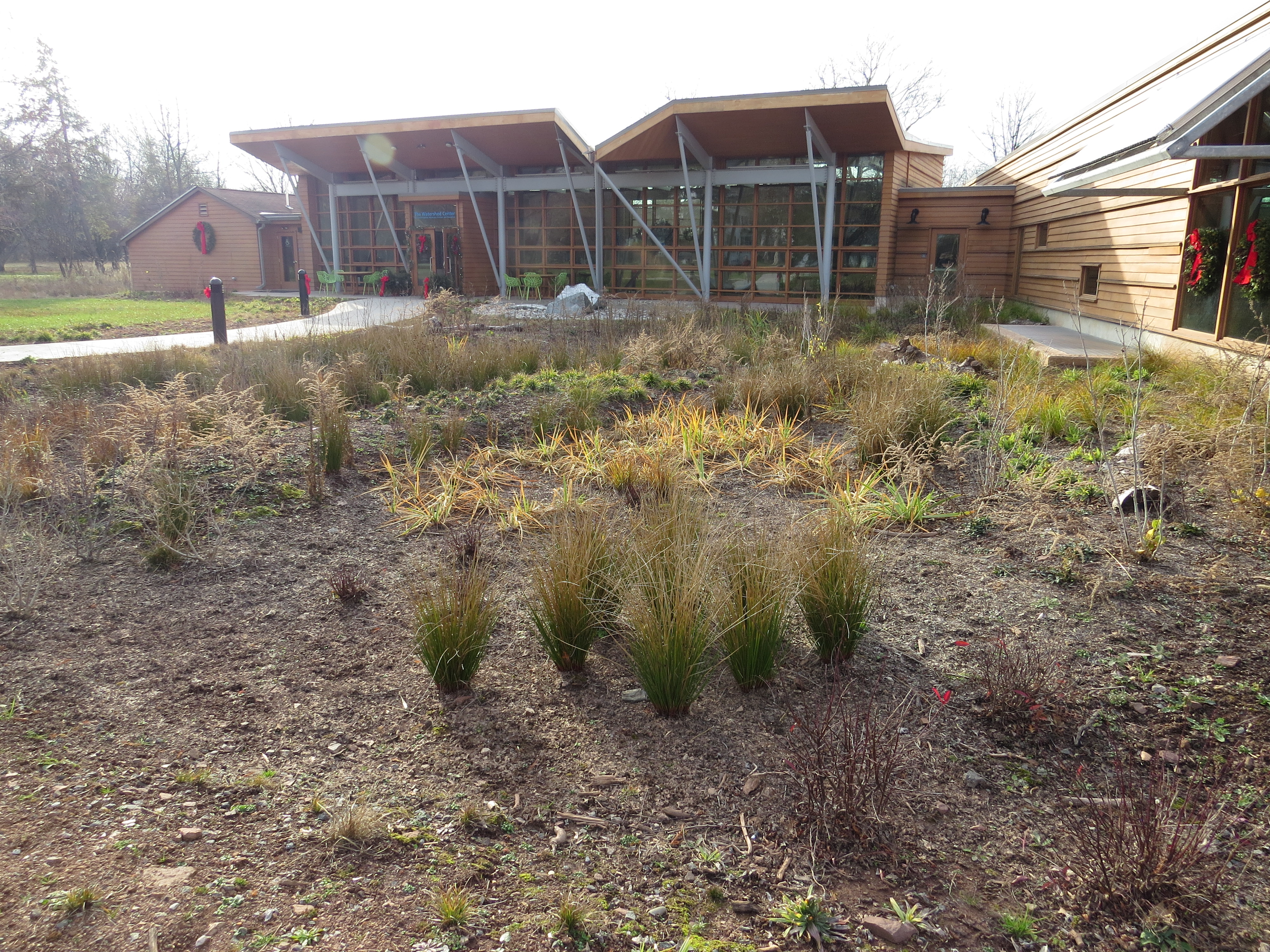
Rain Garden
Reduces storm water runoff and purifies the water as it recharges the aquifer, and provides habitat.
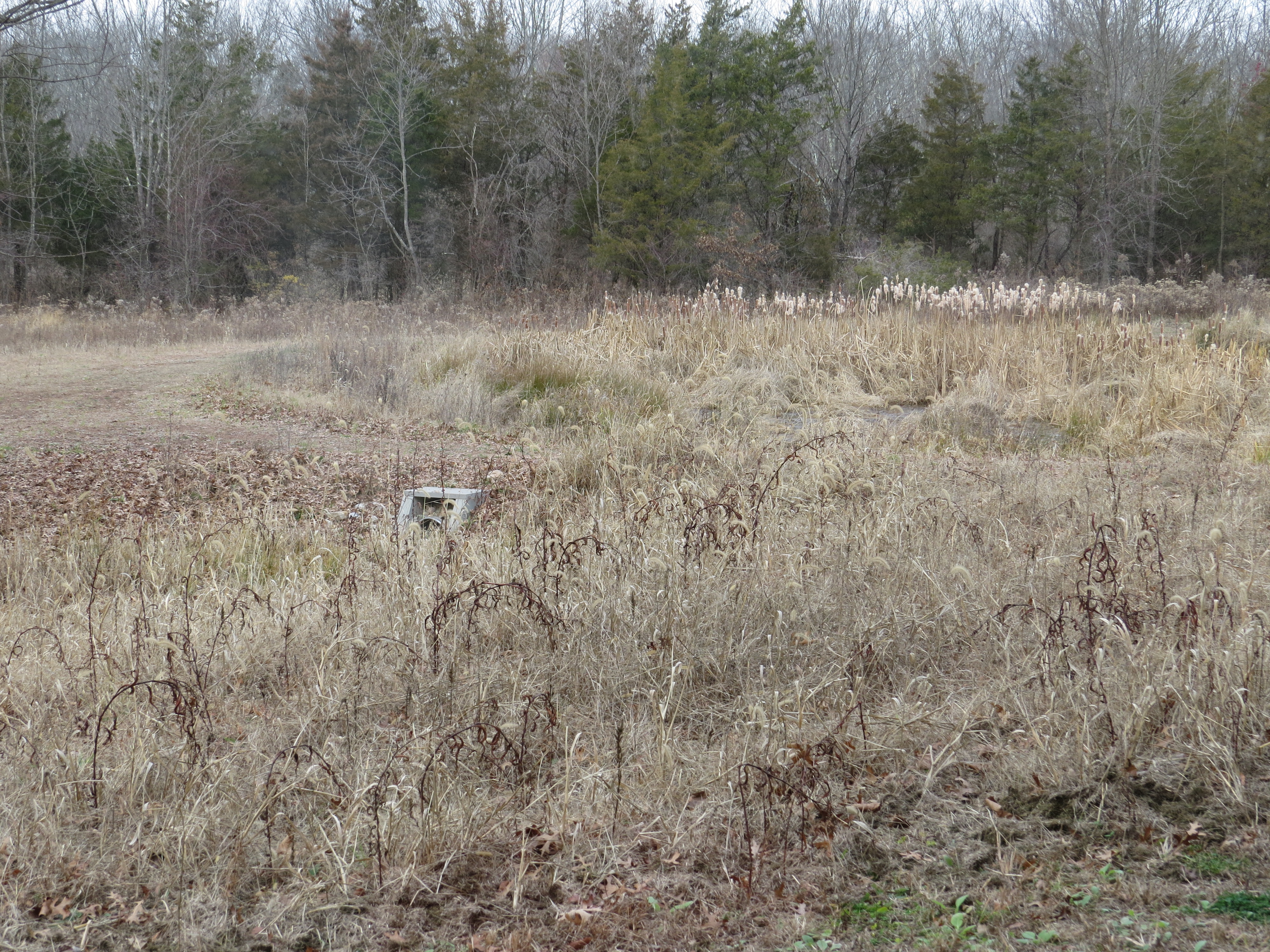
Wetlands Wastewater Treatment
Using Plants, soil, and microorganisms to treat wastewater instead of traditional wastewater treatment results in water that is cleaner and it is also more effective in infiltrating water into the aquifer.
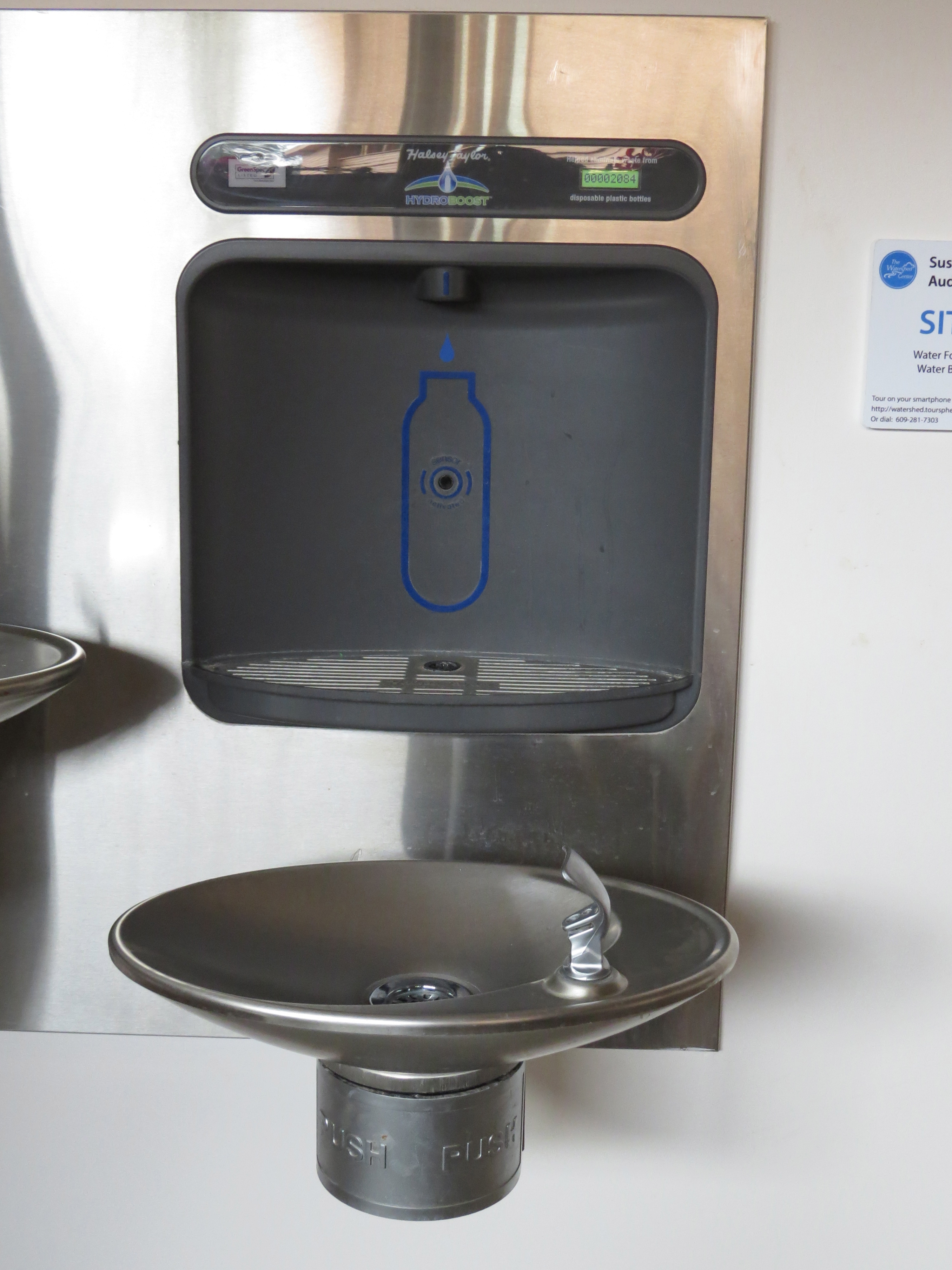
This is a Water Fountain every building needs!
Getting rid of your plastic water bottle habit is easier when you can refill your reusable water bottle at water fountains like this one. This fountain has saved 2,084 plastic bottles of water. This model is called the Halsey Taylor HydroBoost.
Plus more!
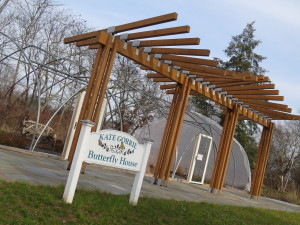
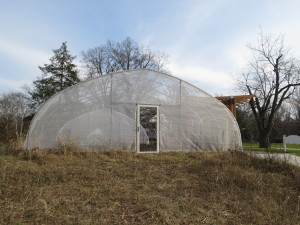
Butterfly House
Helping to increase the population of native butterflies, including the Monarch Butterly, the Kate Gorrie Butterfly House is used to raise monarch butterflies and set them free each year.
Visit them during their butterfly festival!
http://thewatershed.org/watershed-center/butterfly-house/
Environmental Library

Education center with wildlife, too! Check out the corn snake, walking sticks and huge freshwater tank.

A model of the watershed – press a button to light up the streams and tributaries of the Stony Brook – Millstone Watershed

What you can do?
Solar panels: Free and renewable electricity from the sun – our best source of energy. For information on solar, see:
http://www.njcleanenergy.com/whysolar
Rain garden: A rain garden is quite wonderful – habitat and rainwater recharge; it is all good. Build a rain garden today! For more information on how to build one, see:
http://water.rutgers.edu/Rain_Gardens/fs513.pdf
Stop using plastic: Take the pledge to not use plastic bottles! Also take a plastic inventory of your home and lifestyle and see how you can reduce or stop using it. It’s everywhere, polluting the watershed and ultimately the oceans, strangling and suffocating wildlife.
https://secure.foodandwaterwatch.org/site/Advocacy?cmd=display&page=UserAction&id=235
Until next time, thank you for all you do to help the watershed!