All posts by Kate Rafferty

March Transitions: Pruning Tips and Habitat Protection at Ross Lake Park

Ross Lake Park Garden Journal Entry

The garden in late March shows the stems and seed pods of last summer’s perennials. Dried leaves helped to protect plant roots during winter, returned nutrients to the soil and provided a home for moths and insects.

Last summer, we planted grasses on the opposite bank of the lake, seen in the distance.  These prevent erosion and are the are the beginnings of another garden requested by the neighbors.

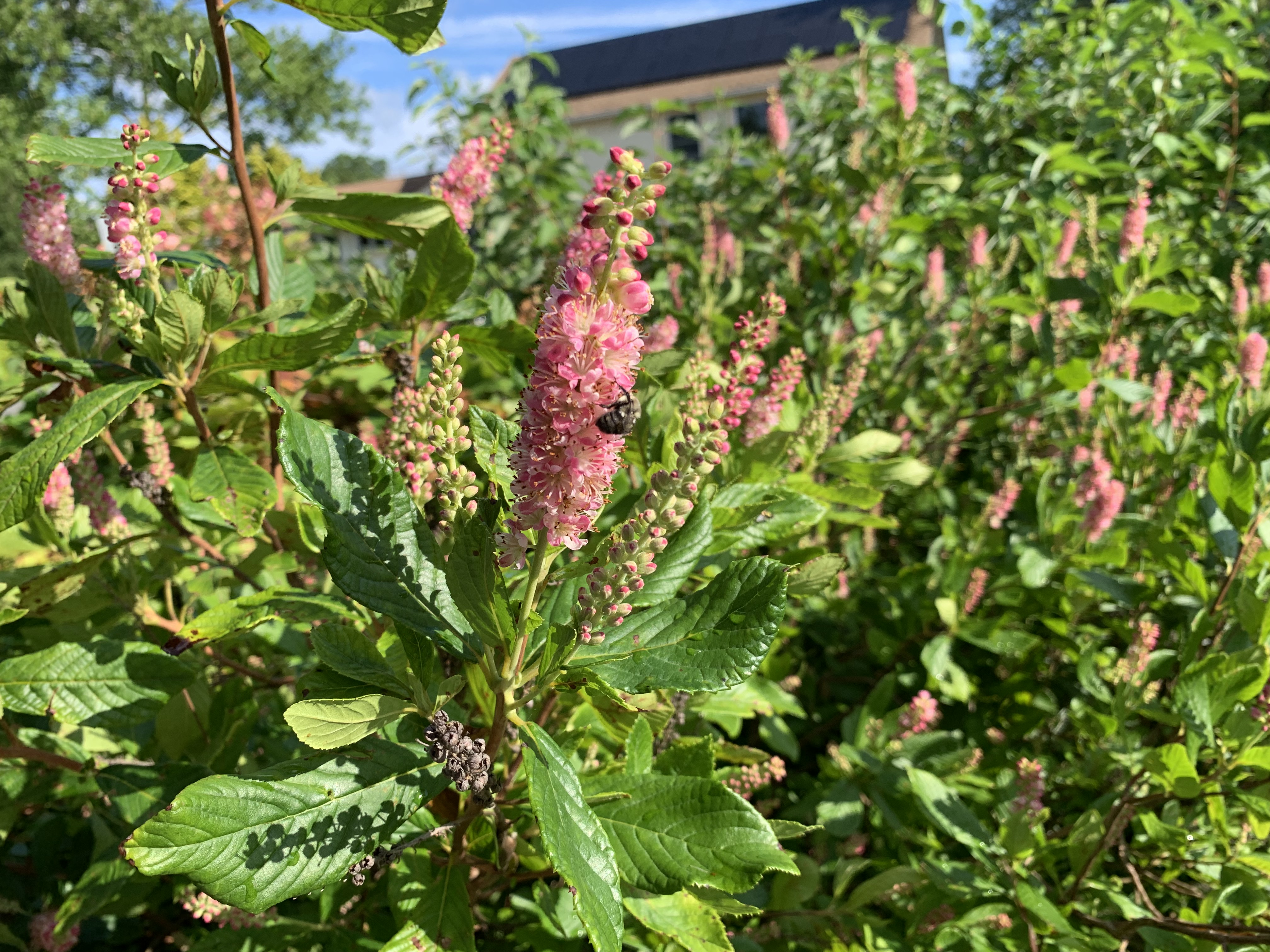
After surveying the garden,  we decided it was time to prune summersweet clethra now, before new growth appears. These plants bloom only on new shoots. Pruning stimulates new growth.

Spent hydrangea blooms need to be removed. Cut back to the first new bud on the stem.

March is the time to prune shrubby dogwoods such as blood twig and red-osier. Remove some or all of the brown stems.  Young stems are bright red.

As we leave, we need to think about saving the brush removed from the butterfly garden, since  butterflies lay their eggs on and inside the hollow stems. Caterpillars will emerge if we pile the brush together in a separate part of the garden.

Summer 2019: A Garden’s Eastern Charm at Ross Lake Park

Ross Lake Park Garden Journal Entry

It is the summer of 2019, and the heat of summer is officially here at Ross Lake Park in Long Branch, New Jersey. The landscape is a snapshot of pure bliss, teeming with a remarkable array of plants and our tiny, tireless “garden friends.”

A Glimpse of the 2019 Garden

As we look at these plantings in Ross Lake Park, it is clear why these choices are so successful. New Jersey’s climate—characterized by humid summers and variable soil—is the natural home for many of these species.

Here is why these plants are perfectly suited for a New Jersey habitat:

The Native Powerhouses

  • Mountain Mint (Pycnanthemum): This is a New Jersey superstar. It is incredibly hardy, drought-tolerant once established, and deer-resistant—a major “must-have” for NJ gardeners. It thrives in our local humidity and provides critical mid-to-late summer nectar.
  • Rudbeckia (Black-eyed Susan): This quintessential NJ wildflower loves the full sun of our Jersey summers. It’s a pioneer species, meaning it’s tough enough to handle the clay-heavy soils often found in our region while supporting the local Monarch population.
  • Cat Tails (Typha): Perfectly adapted to the marshy edges of New Jersey’s many lakes and retention basins, these plants are vital for stabilizing our local shorelines and providing nesting sites for native red-winged blackbirds.

The Summer Showstoppers

  • Hibiscus (Rose Mallow): While some hibiscus are tropical, the perennial varieties seen here are native to the wetlands of the mid-Atlantic. They love the heat and the “mucky” soil found near Jersey water sources, producing those massive blooms even in the thickest August humidity.
  • Hydrangea: These thrive in the dappled sunlight of the Garden State. Because NJ falls into USDA Zones 6 and 7, hydrangeas appreciate our coastal influence and the moisture in our air, though they do best when protected from the harshest afternoon sun.
  • Sweet Pepper Bush: New Jersey isn’t called the Garden State for nothing! Our long, hot growing season is ideal for pepper plants. The local bee population at Ross Lake Park ensures these crops are well-pollinated.

Looking East

The Effects of Stormwater on Ross Island

Ross Lake Park Garden Journal Entry

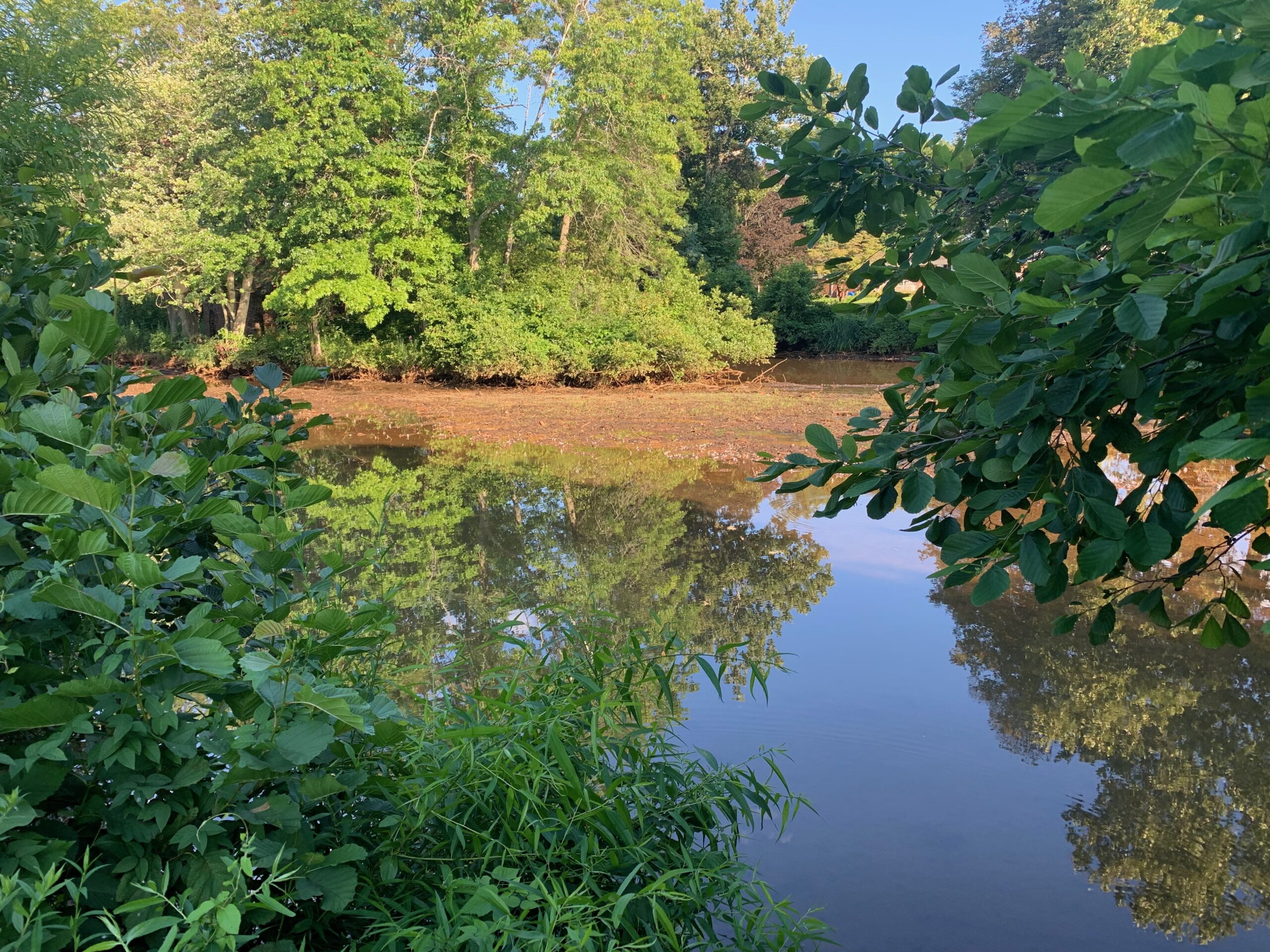
The intense rain storms of the past few years have begun to damage our lovely Ross Island.  As you can see from the pictures above,  there is a new island of leaf litter and silt being formed on the west side of the original island.  This causes the fast moving waters to rush around the new island and undercut the old island.  In the next picture, you can see a thin line of the ground and then the tree roots exposed underneath.  

Also, a large limb from a tree that we didn’t know was in bad shape fell off and is laying in the lake.

limb in the river
limb in the river

We want to save this treasure.  We must  work together with the rest of the towns on the watershed to try and slow down the water flow and siltation.  If all the neighbors on the Whale Pond Brook would work together we could make a difference.

Any volunteers to help stop flooding would be appreciated. We’re working with Rutgers Water Resources Green Infrastructure Champions across New Jersey. http://www.water.rutgers.edu

META: Stormwater is undercutting the banks of Ross Island. Read about the recent damage and find out how you can volunteer to help our watershed recovery efforts.